
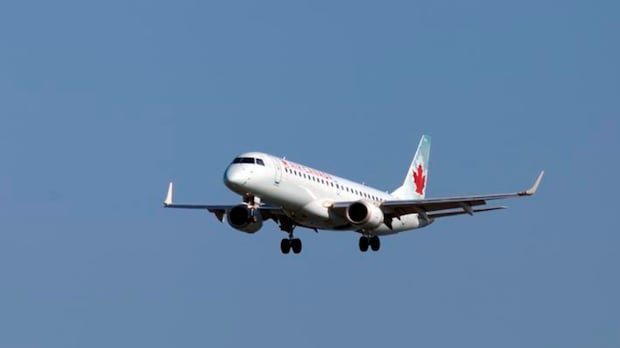
Severe clear-air turbulence is on the rise, and climate change is a significant factor contributing to this phenomenon. Researchers are exploring ways to better predict and mitigate the effects of this type of turbulence, which poses risks to airline passengers worldwide.
Dr. Paul Williams, a leading expert in meteorology from the University of Reading in the U.K., has identified a strong correlation between climate change and the increased occurrence of clear-air turbulence. Unlike traditional turbulence caused by storms or geographical features, clear-air turbulence can occur even in clear skies, making it challenging for pilots to anticipate and avoid.
The warming of the upper atmosphere due to climate change is altering temperature patterns and intensifying the jet stream winds at high altitudes. This change creates wind shear, leading to more turbulent conditions for aircraft flying at cruising altitudes. Recent studies have shown a significant uptick in severe clear-air turbulence incidents, with North America experiencing a 41% increase since 1979.
Improving the prediction of clear-air turbulence is crucial for aviation safety. While current forecasting methods have shown some progress, there is still room for enhancement. Scientists are leveraging advanced technologies and insights from nature, such as bird flight dynamics, to develop more accurate forecasting models.
Innovative research led by professionals like Aimy Wissa at Princeton University’s bio-inspired morphology lab is exploring how bird flight mechanisms can inspire aircraft design for better stability in turbulent conditions. By mimicking the structure of bird feathers, engineers aim to enhance aircraft performance and safety during unexpected turbulence episodes.
As the aviation industry grapples with the escalating challenges posed by climate-induced turbulence, passengers are reminded of the importance of adhering to safety protocols onboard. Fastening seatbelts during flights is a critical safety measure that significantly reduces the risk of injuries during turbulence events. The collaborative efforts of researchers, engineers, and aviation professionals hold promise for enhancing flight safety in an era of escalating climate-related turbulence incidents.

