
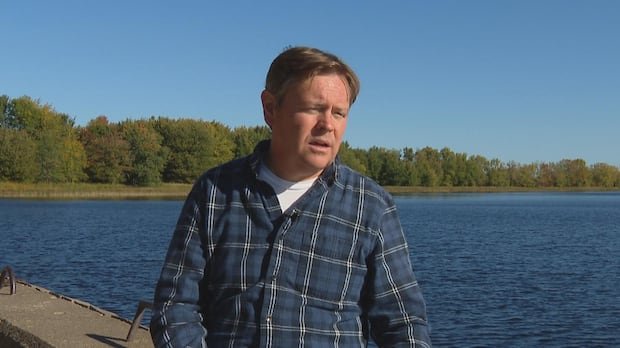
An environmental scientist from New Brunswick has raised concerns about water levels in certain areas of the province, noting a significant drop of about a meter compared to a century ago. Colin Forsythe, the executive director of the St. John River Society, expressed alarm over the current water scarcity situation, emphasizing the drastic decrease in water levels, describing it as alarming.
According to Forsythe, the low water levels are attributed to a combination of factors, with the historic drought experienced during the summer playing a major role. However, he pointed out that the issue originated back in the previous winter when the lack of a substantial snowpack led to insufficient freshet melt, which usually replenishes groundwater aquifers, wetlands, and the river.
Forsythe highlighted that the prolonged drought aligns with predictions from climate models, indicating a trend of increased warm and dry weather conditions along with heightened climate instability. He emphasized the need for immediate action to address the escalating situation.
During recent monitoring activities at historic steamboat wharves along the St. John River, Forsythe discovered water levels at a record low. Additionally, his team’s electrofishing survey revealed areas that were typically accessible for fishing were completely dried out, indicating severe impacts on the ecosystem.
The decline in water levels poses a significant threat to aquatic species, particularly coldwater fish like salmon and trout, as elevated water temperatures can be fatal for them. Forsythe explained that warmer water holds less oxygen, which diminishes the available oxygen for aquatic life, harming their survival.
Furthermore, the reduced water levels lead to habitat loss and the disappearance of spawning grounds for various species, while also altering water pH levels and increasing bacterial concentrations, including harmful types like E. coli.
Forsythe stressed the importance of individual actions in mitigating the crisis, suggesting measures such as reducing groundwater consumption by taking shorter showers and minimizing water usage for daily activities. He also highlighted the critical role of wetlands as natural water reservoirs and emphasized the need to protect and restore them to aid in water retention and release.
The executive director also emphasized the significance of maintaining vegetation in riparian zones to regulate water temperatures and prevent further environmental degradation. He mentioned the vital role of the Environmental Trust Fund in supporting habitat restoration projects and urged public participation in shaping its future by providing feedback through a survey open until October 15.

