
Monday marked a significant day for Canadians with ties to Israel and Gaza as a peace agreement was reached, accompanied by the release of Israeli hostages and Palestinian prisoners. While there was a sense of hopeful celebration, experts expressed doubts about the long-term prospects for peace in the region.
Maureen Leshem from Toronto, whose cousin Romi Gonen was held captive by Hamas for 15 months, described feeling grateful and relieved, emphasizing the significance of the peace deal for humanity. In contrast, Louay Alghoul from Winnipeg, who lost many family members in Gaza due to Israeli attacks, expressed mixed emotions, acknowledging the cessation of bombings but questioning the sustainability of the peace.
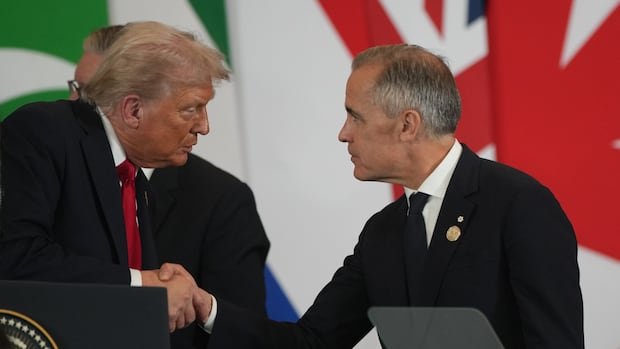
President Donald Trump, after signing the peace deal at the Knesset in Israel and attending a summit in Egypt, proclaimed his 20-point plan as a pathway to eternal peace in the Middle East. Prime Minister Mark Carney, among other world leaders, viewed the summit as a historic moment that provides hope for both Palestinians and Israelis.
Despite some positive reactions, skepticism remains regarding the peace plan’s effectiveness. Nader Hashemi, a Middle East expert, stressed the importance of Palestinian involvement in any lasting peace efforts. He criticized previous U.S. administrations for neglecting international law and the root causes of the conflict.
Looking ahead, concerns arise about the practical implementation of the peace deal. Nomi Bar-Yaacov, an international peace negotiator, highlighted the need for a clear plan for moving forward and the establishment of a stabilization force in Gaza. Meanwhile, Michael Lynk, a law professor, raised questions about the plan’s adherence to international law and the commitment of the Trump administration to see it through.
As the region navigates this pivotal moment, uncertainties persist about the future of peace and stability in Israel and Gaza.

