
Consumers remain concerned about high prices and economic instability stemming from the U.S. trade conflict, despite some positive economic signs, as per a recent Bank of Canada survey. Respondents in the quarterly Survey of Consumer Expectations expressed higher worries about missing debt payments, job loss, and persistent inflation due to tariffs.
These concerns have hindered their spending intentions, citing barriers such as elevated prices, economic uncertainty, and increased housing expenses. More respondents felt their financial situation had worsened compared to the previous quarter.
While there were some positive outlooks, with respondents feeling more optimistic about job prospects and long-term inflation, overall consumer expectations decreased in the fourth quarter, staying below pre-pandemic levels and lower than before the trade conflict with the U.S. began.
According to Claire Fan, a senior economist at RBC, there is a growing gap between consumer sentiment and actual economic data. The Bank of Canada’s survey participants believe that the worst effects of the trade war have passed.
Although the Canadian economy has shown resilience, with stable job growth and inflation within targeted levels, many respondents still perceive the labor market as weak, especially in trade-affected sectors. Nearly half of the respondents feel that Canada has avoided the worst consequences of the trade tensions, signaling a shift from previous survey results.
Despite the sentiment that the worst of the trade war is over, uncertainties remain regarding Canada’s future trade relations with the U.S., including issues like IEEPA tariffs and the fate of the CUSMA agreement.
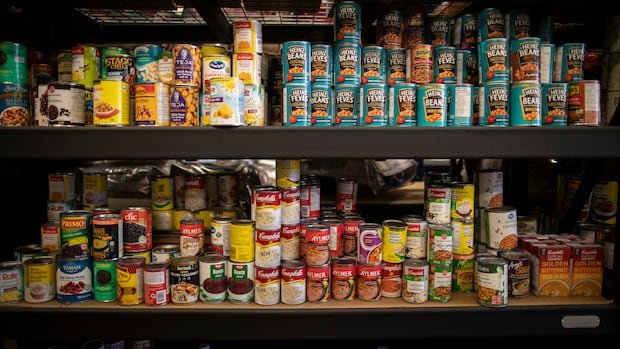
Consumers are feeling the impact of rising costs, particularly in groceries and shelter. With grocery inflation hitting 3.5% in 2025, consumers are adjusting their spending habits to cope with the escalating prices. Experts suggest that consumers are more sensitive to price increases in regular expenses like groceries, contributing to negative sentiment amid economic challenges.

