
Israel announced its preparations on Thursday for the eventual reopening of Gaza’s Rafah crossing with Egypt, facilitating the movement of Palestinians. However, no specific date has been set for the completion of this process, amidst ongoing tensions between Israel and Hamas regarding violations of the U.S.-brokered ceasefire.
A critical issue revolves around the return of the bodies of hostages held by Hamas in Gaza, which poses a significant threat to the ceasefire agreement. Other unresolved aspects of the plan include the disarmament of militants and the future governance of Gaza.
According to Israeli government spokesperson Shosh Bedrosian, Israel remains committed to the ceasefire agreement and fulfilling its obligations. Israel demands that Hamas return the bodies of the 19 hostages that have not yet been handed over. While Hamas has returned 10 bodies, Israel disputes the identity of one of them.
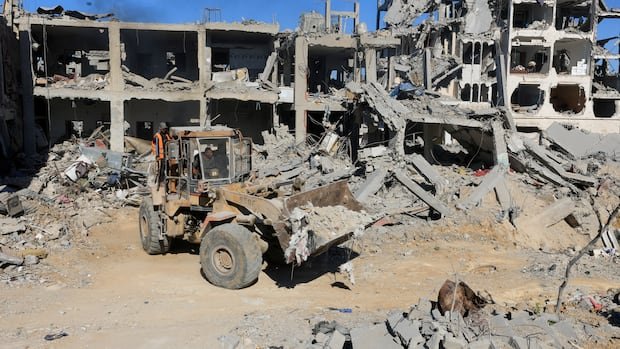
Hamas’s armed wing stated that the handover of additional bodies in Gaza, which has been heavily damaged by the conflict, would necessitate the use of heavy machinery and excavation equipment that currently cannot enter the Israel-blockaded Palestinian territory.
A senior Hamas official accused Israel on Thursday of violating the ceasefire by reportedly killing at least 24 individuals in shootings since the ceasefire commenced. The official claimed to have submitted a list of such violations to mediators, accusing Israel of undermining the agreement.
In response, the Israeli military did not immediately address the accusations by Hamas, reiterating that Palestinian individuals had ignored warnings and approached Israeli ceasefire positions, prompting Israeli forces to open fire to neutralize the threat.
Furthermore, a recent Israeli airstrike in Khan Younis resulted in the deaths of two people, according to local health authorities. The Israeli military justified the action, stating that the individuals emerging from a tunnel shaft posed an immediate threat to its troops.
Israel has outlined the next phase of the peace plan, orchestrated by former U.S. President Donald Trump, which necessitates Hamas to disarm and relinquish power. However, Hamas has resisted these demands, instead asserting its authority through security measures and public demonstrations of power.
Trump warned on social media that if Hamas continued to perpetrate violence in Gaza, decisive action would be taken. As part of the ceasefire agreement, 20 remaining living hostages were released in exchange for numerous Palestinians held in Israel.
Efforts are underway to address Gaza’s long-term reconstruction and governance challenges, with discussions on the establishment of an international stabilization force and the creation of a Palestinian state still pending.
In a bid to alleviate the humanitarian crisis in Gaza, aid organizations are ramping up efforts. The UN has emphasized the urgent need for increased aid deliveries, given the dire conditions in the region.
As Israel and Hamas navigate the complexities of the ceasefire agreement, the fate of Gaza hangs in the balance, with the scars of past conflicts still visible in the war-torn territory.

