
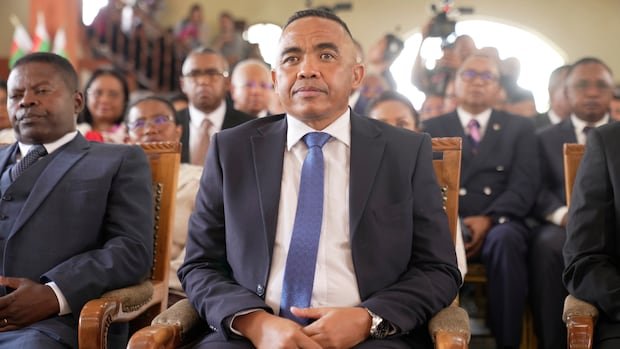
An army colonel staged a swift military coup in Madagascar, taking over as the country’s new leader. Col. Michael Randrianirina, the head of an elite army unit, was inaugurated as the new president at a ceremony held in the main chamber of the nation’s High Constitutional Court. His rise to power occurred shortly after declaring the armed forces’ assumption of control in the Indian Ocean island nation following weeks of youth-led anti-government protests.
Despite the United Nations denouncing the military takeover as unconstitutional, there has been limited international response, including from France, Madagascar’s former colonial power. The coup led to Madagascar’s suspension from the African Union due to the political unrest.
President Andry Rajoelina fled the country, citing safety concerns amid the rebellion led by soldiers loyal to Randrianirina. Rajoelina’s whereabouts remain unknown after leaving on a French military aircraft. In his absence, Rajoelina was impeached by parliament just before the colonel announced the military’s assumption of power.
Randrianirina, around 50 or 51 years old, transitioned from military attire to a formal suit for his inauguration, attended by military officials, civilian leaders, and foreign delegates. The colonel, previously little-known, had a brief stint in prison two years ago for an attempted mutiny.
Madagascar, plagued by high poverty rates affecting 75% of its population, has a history of political instability since gaining independence in 1960. The country has experienced economic challenges, with a significant drop in GDP per capita since independence. Corruption has also been rampant, leading to a decline in global corruption rankings.
Randrianirina announced that Madagascar would be governed by a military council under his presidency for up to two years before new elections. The youth activists who sparked the uprising against Rajoelina may face a prolonged period before electing their next leader.
Despite the political turmoil, there have been few reports of violence since the coup. The protests, reminiscent of other youth-led movements worldwide, initially focused on infrastructure issues but expanded to address broader concerns, including living costs, lack of opportunities, and alleged government corruption.
Randrianirina expressed his commitment to restoring the country’s prosperity and addressing social challenges. The UN and African Union have condemned the unconstitutional change of government, advocating for a return to constitutional order and the rule of law in Madagascar.

