
The Canadian Liberal government has decided to divide its border security legislation into two parts with the aim of expediting the approval of certain provisions while allowing for a more thorough review of other contentious aspects by the public.
Unveiled on Wednesday, Bill C-12 incorporates several components from a previous bill introduced in June. These components encompass expanding the Coast Guard’s responsibilities, strengthening the immigration and refugee system, improving information exchange concerning sex offenders, and enhancing oversight of chemicals utilized in the production of illicit substances.
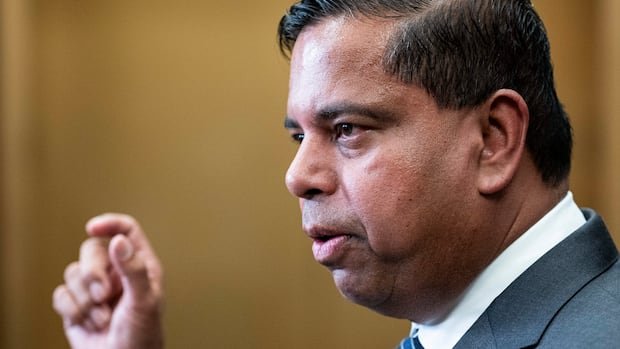
Public Safety Minister Gary Anandasangaree affirmed that the administration remains committed to advancing the initial bill, C-2, which seeks to grant authorities additional powers to conduct mail searches and access personal data.
As a result of this decision, the proposed federal border security measures will progress through Parliament via two distinct legislative pathways, with Bill C-12 likely taking precedence.
Bill C-2 will subsequently undergo the legislative process, with components duplicated in the new Bill C-12 being omitted to prevent redundancy.
The government’s revised strategy, which was initially reported by CBC News, has drawn criticism from civil society organizations critical of the border measures due to perceived threats to civil liberties and human rights.
Tim McSorley, the national co-ordinator of the International Civil Liberties Monitoring Group in Ottawa, described the decision as “highly objectionable” and called for the withdrawal of both bills, emphasizing the need for comprehensive reform.
Likewise, Karen Cocq from the Migrant Rights Network asserted that the new bill, akin to its predecessor, would compromise due process rights for vulnerable individuals and urged its withdrawal.
Addressing concerns raised by reporters, Anandasangaree explained that rather than amending Bill C-2 during the legislative process, he opted for splitting the bill due to stringent guidelines governing bill amendments.
The original legislation was introduced in response to pressures from the U.S. government under President Donald Trump, focusing on bolstering border security, combating organized crime, curtailing the influx of fentanyl, and combating money laundering.
While receiving endorsements from various sectors including law enforcement agencies, fentanyl experts, and child protection advocates, the legislation faced opposition from over 300 civil society groups, citing concerns about potential infringements on freedoms, refugee and migrant rights, and privacy.
The minority government encountered challenges in securing sufficient support from opposition parties for the legislation, with critics pointing to the bill’s implications for asylum claims and the expanded authority granted to Canada Post and law enforcement agencies for mail searches and information access.
Moreover, proposed amendments to the Criminal Code and the legislation governing CSIS raised apprehensions about potential erosion of privacy rights and increased surveillance capabilities.

