
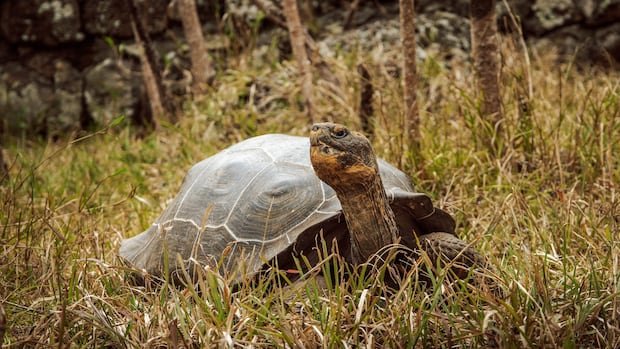
After an absence of over 180 years, large tortoises have returned to Floreana Island in the Galápagos archipelago of Ecuador. In a groundbreaking effort, 158 juvenile hybrids were recently released onto the island as part of a captive breeding program initiated in 2017. The program aims to reintroduce these tortoises to an island that was once home to approximately 20,000 giant tortoises before they were wiped out in the 1840s due to whalers, a devastating fire, and human exploitation.
Conservation biologist James Gibbs likened the moment to witnessing his own children taking their first steps, as the young tortoises, expected to reach up to 600 pounds in the next two decades, eagerly explored their new surroundings upon release. These juveniles, out of a planned total of 700, carry a significant genetic resemblance to the extinct Floreana species, with 40 to 80 percent of their makeup being from the original lineage.
The initiative goes beyond simply increasing numbers, as biologist Washington Tapia emphasized the importance of rebuilding a lost genetic lineage on the island. The hope is that these 158 juvenile tortoises, aged between eight and 13 and weighing 30 to 50 pounds, will play a crucial role in restoring the island’s ecosystem over time, considering their potential lifespan of over a century.
The release process was a challenging yet rewarding endeavor, with park rangers carrying the hefty juveniles on their backs through the volcanic island’s terrain to designated release sites. Divided into two groups, the tortoises were set free in different areas of the island, with expectations that they would gravitate towards the lush highlands where food and water sources are plentiful.
Now coexisting with around 200 human inhabitants and various wildlife species, including flamingos, iguanas, and penguins, the tortoises face threats from non-native animals like rats, cats, and pigs, as well as invasive plants such as blackberry. To monitor their movements and ensure their well-being, each tortoise has been equipped with GPS trackers for real-time tracking.
While the tortoises settle into their new environment, researchers will continue to observe them closely, using the data from the GPS trackers to monitor their activities and intervene if necessary. The introduction of these tortoises marks a significant step in the ongoing conservation efforts to restore the natural balance on Floreana Island.

