
A recent report by scientists reveals that lunar rocks gathered by Apollo astronauts over 50 years ago are providing new insights into the moon’s enigmatic magnetic field. The University of Oxford researchers in England have suggested that the moon’s magnetic field, although generally weak throughout its history, experienced brief periods of intense activity surpassing Earth’s magnetic field around three to four billion years ago. These findings have been published in the journal Nature Geoscience.
Lead author Claire Nichols stated that the moon exhibited short-lived spikes in magnetic field strength, lasting only up to 5,000 years, likely due to the melting of titanium-rich rocks deep within the moon. The research team analyzed previous measurements of Apollo samples and discovered a correlation between high levels of titanium and preserved indications of heightened magnetic activity, particularly in rocks from the Apollo 11 and Apollo 17 missions.
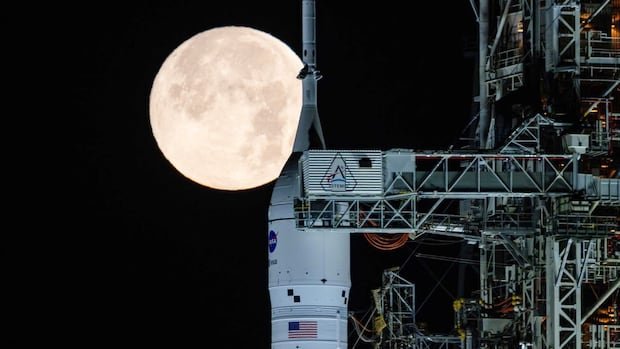
The study highlights the intermittent and potentially more fluctuating nature of magnetic field activity than previously assumed. It challenges the notion that the Apollo samples accurately represent the moon’s overall composition, emphasizing the importance of further exploration. NASA’s upcoming Artemis missions, including a test flight involving four astronauts, are expected to provide additional insights by focusing on ancient rocks near the moon’s south pole where water ice is believed to exist.
By unraveling the moon’s magnetic history, scientists aim to enhance their understanding of planetary habitability and the protective role of magnetic fields against cosmic radiation and solar radiation. The upcoming Artemis missions hold the promise of unlocking more secrets about the moon’s ancient magnetism, paving the way for groundbreaking discoveries in space exploration.

