
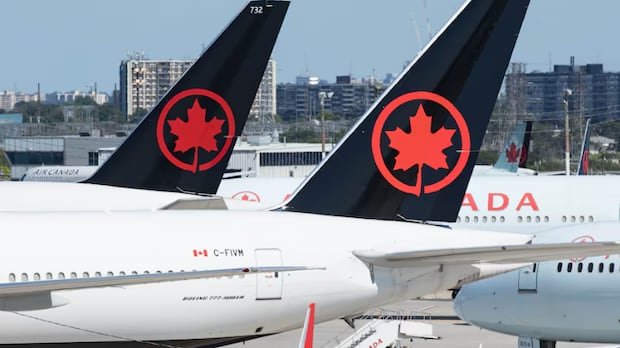
Air Canada is currently testing a new method to handle passenger complaints through a dispute resolution process. The airline plans to invite 500 randomly chosen passengers with unresolved claims in the Canadian Transport Agency’s (CTA) dispute system to consider transferring their complaints voluntarily to a third-party arbitrator.
The primary objective of this trial initiative is to address customer grievances in a manner that is not only quicker and more efficient but, most importantly, fair and impartial, according to Air Canada’s chief legal officer, Marc Barbeau. The CTA currently faces a substantial backlog of approximately 95,000 complaints, a significant increase from 42,000 in 2023 when additional funding was allocated to address the backlog. Studies have indicated that the complaint resolution process can span over two to three years.
Funded by Air Canada, the pilot project has received input from Transport Canada and the Canadian Transportation Agency on its structure. The arbitration process will be overseen by a subsidiary of the U.K.-based CDRL Group, a non-profit organization that specializes in dispute resolution services in the U.K. and Europe, where similar processes are more common.
Air Canada aims to explore a resolution approach that has proven successful elsewhere and could yield positive outcomes in Canada. The airline states that decisions on each case under the trial program will be rendered within 90 days of receiving all necessary information from both the airline and the customer.
During the pilot phase, the arbitration rulings will be binding for Air Canada but not for consumers. Participants can choose to decline the arbitrator’s decision if dissatisfied and continue with the standard CTA process without losing their place in the complaint queue.
Some passengers, like Andrew Giblon, feel that a more efficient system is essential. However, Giblon remains skeptical about the pilot project’s effectiveness, particularly due to negative reviews of the arbitrator on consumer review sites. Ian Jack of the Canadian Automobile Association emphasizes the need for cautious oversight to prevent potential issues with the new system.
The outcomes of the pilot project are expected to be shared with the government by Air Canada after the program concludes in the summer. This move is seen as a positive step by airline expert Karl Moore, indicating efforts to enhance the complaints process for passengers. The absence of non-disclosure agreements in the pilot project could lead to increased transparency, allowing customers to voice their opinions openly if they are dissatisfied with the results.

