
A Victoria-based company has developed new technology capable of detecting marine mammals, which is now being tested on an innovative electric passenger ferry. The company, Reach Technologies Inc., founded by Glenn Jones, has a background in aerospace technology for over three decades but has recently ventured into marine detection.
Jones mentioned that they are commencing trials with the Department of National Defence this month. The company’s groundbreaking multispectral camera, constantly rotating 360 degrees, is able to swiftly identify various objects, debris, individuals, and animals.
According to Jones, the device can detect marine mammals immediately as they surface. These cutting-edge devices come at a high cost of up to $600,000 each. Jones emphasized that their technology is unparalleled globally.
The Maritime Situational Awareness System, developed by eight engineers at the company, is a remarkable advancement in marine detection technology. It stands out from traditional infrared cameras as it can identify animals as they emerge to the surface and determine their species.
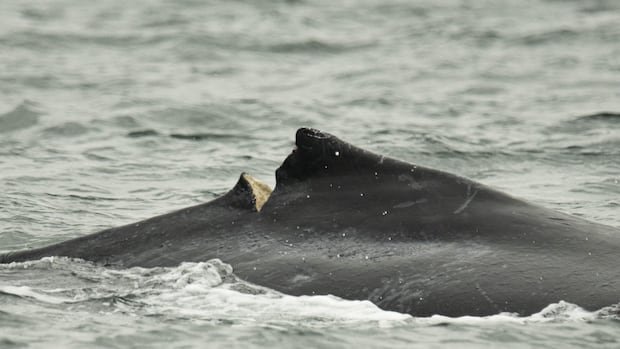
Recent incidents involving humpback whales being struck and killed in British Columbia have raised concerns. Jackie Hildering from the Marine Education and Research Society highlighted that humpback whales frequent areas around Bowen Island and Gibsons, emphasizing the need for precautionary measures.
CIRQL Ferries plans to introduce two electric ferries by 2028, operating between Vancouver, Bowen Island, and the Sunshine Coast. These ferries will navigate through areas where tragic whale incidents have occurred. The utilization of the detection technology on these ferries aims to enhance marine safety.
Marine Mammal Zoologist Anna Hall expressed the importance of safeguarding humpback whales, as their population continues to rise, making them vulnerable to vessel strikes. She stressed the significance of reducing risks associated with vessel strikes through proactive measures.
Sean Brillant, a senior conservation biologist at the Canadian Wildlife Federation, highlighted the potential dangers even smaller vessels pose to marine life. He emphasized the importance of implementing strategies to minimize vessel strikes, including speed reduction and early detection systems.
Darren Pereira, co-founder of CIRQL, emphasized the commitment to ocean conservation and safety. Pereira mentioned that the ferries would travel at speeds of up to 23 knots, with staff trained to follow safety protocols and actively monitor whale sightings.
The introduction of electric ferries aims to reduce underwater noise pollution, providing a quieter marine environment. However, concerns remain regarding the increased risk of collisions with marine wildlife. Experts advise the implementation of mitigation plans to ensure the safety of marine mammals amid rising vessel traffic.
Efforts to protect marine life from vessel strikes include designated whale detection systems in high-risk areas and mandatory training for commercial vessel operators. The collaboration of technology, training, and expert guidance is crucial in mitigating risks and promoting coexistence between vessels and marine wildlife.

