
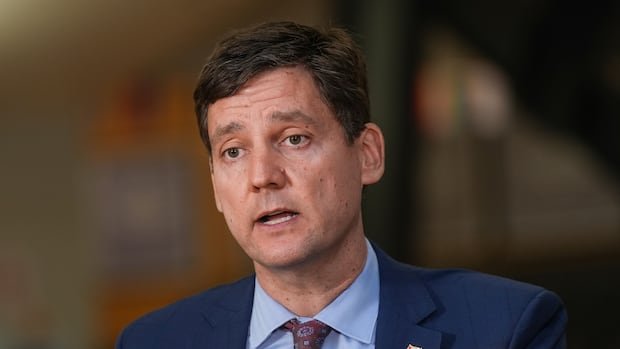
British Columbia Premier David Eby has confirmed that there will be no additional retaliatory actions taken against the United States following the imposition of extra tariffs on softwood lumber. Eby emphasized the importance of maintaining the existing countermeasures already in place rather than pursuing independent actions. These measures involve the exclusion of American alcohol from British Columbia-run liquor stores and the exclusion of U.S. companies from public procurement. Eby stressed that these restrictions will persist until a resolution is reached through negotiations with the U.S.
The recent 10% tariff increase on Canadian lumber by the U.S., coupled with the existing 35% tariff, has prompted Eby to seek support from the federal government to safeguard forestry workers. Industry Minister Mélanie Joly has indicated that imminent support for the softwood lumber sector will include funding facilitated through banks and backed by the Business Development Bank of Canada. Eby is advocating for swift deployment of this financial aid to prevent further job losses and disruptions in the industry.
Andy Rielly, the board chair of the Independent Wood Processors Association of British Columbia, highlighted the severe implications of losing small and medium-sized lumber companies, emphasizing the significance of the value-added sector in British Columbia’s forest industry. Meanwhile, concerns have arisen within Team Canada regarding the response to President Donald Trump’s tariffs, with Eby expressing worries about British Columbia’s issues being overshadowed by provinces like Ontario and Quebec.
Eby stressed the necessity for all premiers to align under Team Canada despite potential disagreements, emphasizing the common goal of strengthening the country’s economy. Premier Doug Ford of Ontario urged the federal government to take a firm stance against the U.S. if a trade deal cannot be reached, while Prime Minister Mark Carney emphasized the importance of ongoing bilateral talks and refrained from considering further retaliatory tariffs at this time.

