
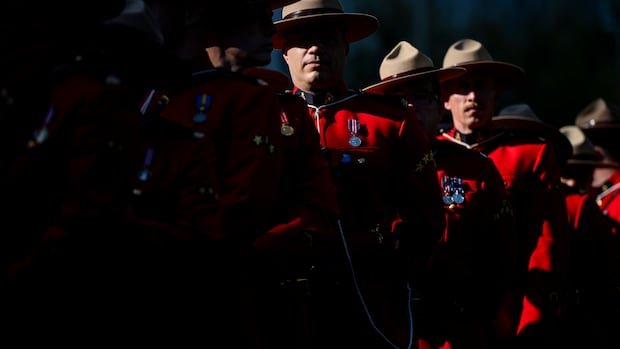
The federal Liberals are demanding an apology from Conservative Leader Pierre Poilievre for casting doubt on the RCMP’s impartiality and honesty. Poilievre accused the police force of concealing actions that favored the Liberal government during an interview with the YouTube channel Northern Perspective. He alleged that former Prime Minister Justin Trudeau violated the law by accepting a free vacation, referring to the 2016 Aga Khan scandal, and suggested Trudeau may have also broken the law in the SNC-Lavalin affair.
Poilievre asserted that if the RCMP had not shielded Trudeau, criminal charges would have been filed against him. This led Liberal House Leader Steve MacKinnon to urge Poilievre to apologize during a parliamentary session. Despite the pressure, Poilievre refused to apologize and accused the Liberals of diverting attention from the increasing cost of living in Canada.
In an off-camera statement, Poilievre expressed support for the current members of the RCMP while maintaining his belief that the force had protected the Liberal government in recent years. His remarks drew criticism, with Green Party Leader Elizabeth May highlighting concerns about the language used in Canadian politics being reminiscent of the situation in the United States under former President Donald Trump.
In response to the backlash, the Conservative leader’s office instructed party members to emphasize the importance of the RCMP and its role, pointing out that additional resources were pledged for the force during the election campaign. The RCMP previously stated that there was insufficient evidence to pursue charges in the SNC-Lavalin case that caused upheaval in Parliament in 2019.
Ethics Commissioner Mike Duheme confirmed Trudeau’s violation of the Conflict of Interest Act in attempting to influence the then-justice minister regarding the SNC-Lavalin case. Duheme defended the investigation process when responding to Poilievre’s claims, asserting that there was no political interference in the matter.
The RCMP, while accountable to the government, is supposed to maintain operational independence, particularly in investigations, to prevent political influence. Recommendations following the Nova Scotia mass shooting inquiry in 2020 emphasized the need to clarify operational independence in legislation. The RCMP is currently developing internal guidelines to safeguard decision-making from undue government intervention or advice.

