
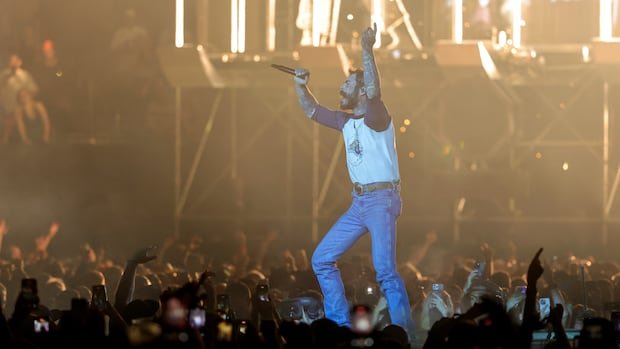
Fans are discussing a phenomenon called “blue dot fever” impacting popular music acts, potentially due to the high cost of tickets. The term originates from Ticketmaster’s website, where blue dots indicate unsold seats for concerts. Some concerts have numerous blue dots, leading fans to speculate on the connection to concert cancellations or entire tour cancellations in extreme cases.
Recent cancellations by artists such as Post Malone, Meghan Trainor, and the Pussycat Dolls have fueled this discussion. While reasons for cancellations vary, fans often attribute them to the trend of blue dots. According to Eric Alper, a music publicist, the core issue is the rising ticket prices coupled with the financial strain on fans.
Ticket prices for the top 100 global tours surged by 37% between 2019 and 2025, as per data from Pollstar. Initially, fans were less bothered by high prices post-COVID-19 due to their eagerness for live events. However, with escalating living costs, fans are becoming selective in choosing which concerts to attend based on affordability.
Veronica Avila, attending Post Malone’s show in Toronto, mentioned her struggle affording other artists’ concerts due to high prices. The trend of fans waiting until closer to the event to purchase tickets in hopes of lower prices could contribute to the visibility of blue dots on seating maps.
While Ticketmaster denies a decline in concert sales, reselling companies like SeatGeek and StubHub indicate that fans are making more calculated decisions on concert attendance. Despite the concerns raised by fans and industry experts, the demand for tickets remains strong, with a nuanced shift in consumer behavior towards concert attendance.
As ticket prices soar, fan expectations have risen, leading to more elaborate tours and higher production costs. Jen Ochej, a tour manager, highlighted the financial challenges faced by mid-sized artists due to these escalating costs. The fear is that live music may become a privilege for the wealthy, both for artists to tour and fans to attend shows, if ticket prices continue to rise.
While touring remains a significant revenue source for artists, the evolving landscape may push artists towards alternative revenue streams like merchandising or licensing their music for other media platforms. This diversification could be a response to the diminishing returns from streaming services.
The ongoing industry debate surrounding “blue dot fever” underscores the complex relationship between concert ticket pricing, fan affordability, and artist sustainability in the ever-evolving music industry landscape.

