
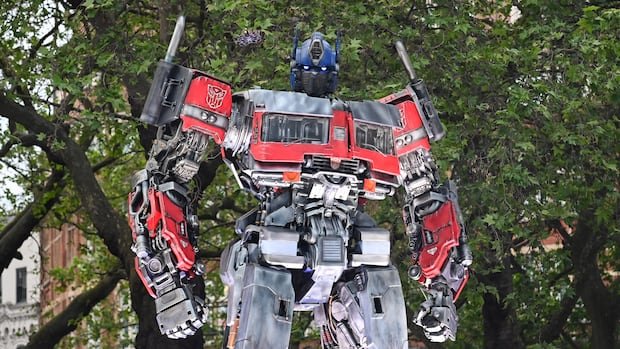
Hasbro, the renowned American toy and games company behind iconic brands like Transformers and G.I. Joe, has introduced artificial intelligence versions of 12 beloved characters. These include popular names such as Optimus Prime, Megatron, G.I. Joe’s Cobra Commander, Mr. Potato Head, and the cast of Clue. The move has been described as a step that could pose potential risks to children, according to experts.
The AI characters are now accessible for licensed use in various experiences and enterprise applications. This means that Autobots, Decepticons, or even a talking potato could serve as interactive brand representatives. Hasbro initiated this project due to the increasing presence of unauthorized versions of well-known characters in chat, voice, gaming, and content platforms.
These characters are being brought to life by Sixth Wall, an AI studio established by Hasbro for creating animated AI representations of its characters. Additionally, Hasbro has partnered with ElevenLabs, an AI company specializing in human-AI interaction.
Hasbro has also introduced “behavioral licensing,” a novel form of intellectual property licensing that governs the actions, thoughts, and speech patterns of characters. This initiative will be supported by a system called CharacterOS, which will ensure certain safety measures to prevent inappropriate responses during interactions.
CEO Chris Cocks emphasized that this endeavor opens up fresh avenues for play and storytelling while safeguarding the authenticity of the characters. Hasbro has clarified that the primary focus will be on individuals aged 13 and above, and the company is not presently developing AI products explicitly aimed at young children.
Voice actors, not AI, have provided voices for the characters, with each character meticulously crafted using authorized source material. Concerns have been raised by experts regarding potential impacts on children’s relationships and advertising, especially in terms of privacy and data collection.
According to Matthew Johnson, director of education at MediaSmarts, there are worries about the formation of parasocial relationships and the persuasive nature of advertising through AI. Steve DiPaola, a professor at Simon Fraser University, acknowledged the trend towards interactive experiences but expressed reservations about the control of fictional characters’ behaviors and personalities.
While fans may welcome the opportunity to engage with their favorite characters on a more personal level, some experts caution about the implications of this advancement. Privacy issues, advertising strategies, and the potential alteration of how characters are perceived are among the concerns raised by industry observers.

