
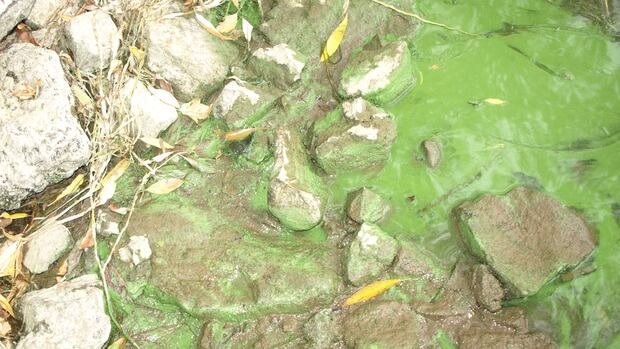
Katelyn Bruckner, a resident near Hamilton’s Gage Park, usually frequents the city’s harbor weekly to enjoy coffee and walk her dog along the waterfront. She expressed satisfaction with this year’s experience, especially after the 2024 season was marred by a foul-smelling algae bloom and subsequent rot that deterred many from the area. Comparing last year’s stench to “sour egg,” Bruckner highlighted the relief of being able to enjoy the entire summer without a repeat of the unpleasant occurrence.
Although parts of the harbor displayed significant pea-soup-like algae masses, unlike the previous year, they did not grow into large, malodorous mats after sun exposure. Bruckner, walking her dog near the Royal Hamilton Yacht Club, remarked that she had not noticed any foul odors this year. City and Royal Botanical Gardens officials attributed the differing outcomes in the past two summers to variations in rainfall patterns, despite both experiencing extreme heat conducive to algae growth.
Cari Vanderperk, director of watershed management at Hamilton Water, emphasized that sunlight, heat, and nutrients are crucial for algae proliferation into thick mats. She noted that while the region had adequate sunlight and warmth, the absence of intense rainstorms this year prevented excessive nutrient runoff into the lake. The heavy rainstorms in 2024 had overwhelmed the city’s drainage system, washing fertilizers and other nutrients into the water, fueling algae growth.
Addressing the impact of climate change, Vanderperk highlighted the increased likelihood of intense rainstorms that strain the city’s infrastructure and contribute to sewage overflows in the harbor, nourishing algae blooms. Despite a wet spring, the less intense rainfall and prolonged ice cover last winter were factors in mitigating algae growth this year.
The article also stressed the importance of preventing nutrient runoff in the harbor, with Jennifer Bowman, a senior aquatic ecologist at the Royal Botanical Gardens, advocating for rainwater absorption at its source. She recommended homeowners create permeable surfaces to allow water to seep into the ground, reducing runoff. The upcoming stormwater rates in the city will incentivize the use of permeable surfaces over impermeable ones, promoting better water management practices.
In addition to the decreased algae presence, this year saw a flourishing of submergent plant life in Cootes Paradise, indicating improved water quality. Despite a setback from a sewage spill, Bowman highlighted the exceptional growth of natural vegetation in the area as a positive development.
Long-time North End resident Larry Tagart shared his relief at this year’s improved conditions along the waterfront, contrasting it with the pungent odors of the 2024 summer. While occasional whiffs of unpleasant odors were still noticeable in certain areas, overall, Tagart commended the better conditions this year for his regular waterfront visits.

