
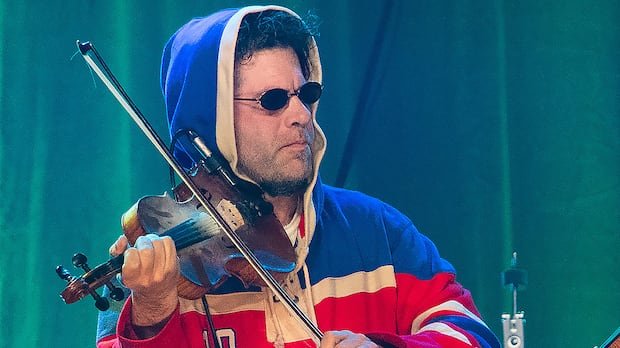
Cape Breton’s Ashley MacIsaac, a renowned fiddler, expressed concerns over potential defamation by Google due to an AI-generated summary erroneously linking him to criminal offenses. The musician, a recipient of the Juno Award, recently discovered the misinformation when a First Nation near Halifax canceled his scheduled performance on December 19 after encountering the inaccurate summary online.
MacIsaac emphasized the impact of such false claims on his security and reputation, especially in scenarios like crossing international borders. The summary wrongly alleged his involvement in various crimes, including sexual assault, internet luring, assault on a woman, and attempted assault on a minor. Additionally, it falsely stated that he was listed on the national sex offender registry, which MacIsaac clarified was entirely untrue.
The fiddler later found out that the misinformation stemmed from articles about a different individual with a similar last name in Atlantic Canada. Google Canada’s spokesperson, Wendy Manton, mentioned that their AI summaries aim to display helpful information but acknowledged the need to address any misinterpretations or missing context to enhance their systems.
Following the incident, the Sipekne’katik First Nation publicly apologized to MacIsaac for the misunderstanding, admitting the cancellation was based on incorrect information. They expressed regret for the harm caused to his reputation and livelihood and emphasized their respect for his artistic contributions and commitment to reconciliation.
MacIsaac expressed a desire to reschedule the canceled concert but preferred waiting for the situation to settle before confirming a new date. Despite the financial challenge of a prolonged legal battle, he received offers from law firms across the country willing to represent him pro bono, highlighting his intention to prevent similar incidents in the future.
Reflecting on his past controversies, including incidents during concerts and media appearances, MacIsaac clarified that he has not faced substantial legal issues, apart from a minor cannabis possession charge in 2001. His involvement in being the first to purchase legal cannabis in Cape Breton upon its legalization in 2018 marked a positive shift for him, emphasizing the end of any criminal associations and a newfound sense of freedom.

