
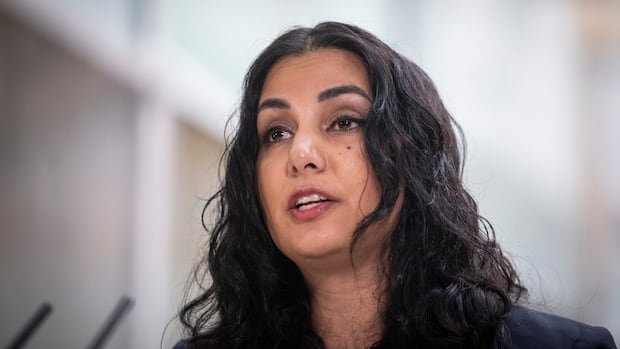
The government of British Columbia is enhancing legislation aimed at safeguarding individuals whose intimate images have been shared without their consent, a crime described by Attorney General Niki Sharma as a form of sexualized violence. Sharma made the announcement during a news conference in Victoria as the fall legislative session commenced, indicating plans to introduce a bill to amend the province’s Intimate Images Protection Act, which became effective in January 2024.
According to Sharma, the unauthorized sharing of someone else’s intimate images constitutes a criminal offense, whether it is for monetary extortion, blackmail, or emotional manipulation. The proposed bill empowers the cabinet to increase the maximum financial compensation victims can pursue from offenders through the Civil Resolution Tribunal. Sharma proposed setting the limit at $75,000, significantly higher than the current cap.
Sharma emphasized the importance of providing avenues for victims to seek justice and adequate compensation for the suffering they have endured. Since the legislation’s enactment, the Civil Resolution Tribunal has handled 381 cases related to intimate images, with nearly 700 individuals seeking assistance from the province’s dedicated support service.
Sharma highlighted the common feelings of shame and silence experienced by victims, often deterring them from taking legal action against perpetrators due to the stigma surrounding the creation of intimate images. She stressed the need to shift accountability for sexualized violence from victims to offenders, asserting that consequences await those who share someone’s images without consent.
Furthermore, Sharma advocated for enhanced Criminal Code laws in Canada concerning the sexual extortion of children, particularly in cases of online sextortion where perpetrators are often located overseas, posing challenges for prosecution. Additionally, a new law addressing sexual violence prevention and response on post-secondary campuses will be introduced during the fall legislative session.
Minister of Post-Secondary Education Jessie Sunner highlighted the forthcoming changes, which aim to strengthen existing sexual violence policies at public post-secondary institutions in British Columbia. The proposed amendments include more comprehensive annual reporting requirements and an expanded scope of policies to cover not just students but also faculty, staff, contractors, volunteers, and board members at these institutions.
Sunner also emphasized the improvements in survivor support through enhanced information sharing on interim measures and case outcomes. In conjunction with the legislative changes, B.C. is launching a new post-secondary sexual violence action plan outlining 12 commitments, such as bolstering prevention efforts through training and enhancing data collection and reporting mechanisms.

