
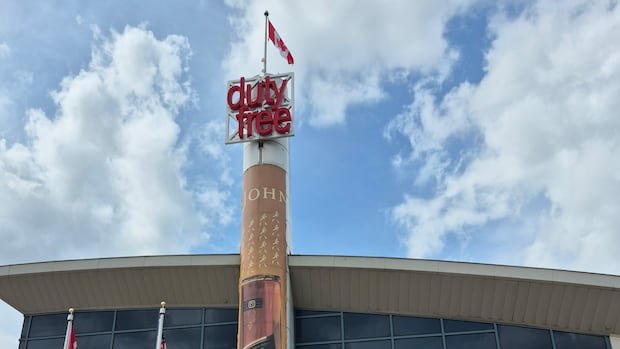
Duty free shop owners are feeling the impact of the U.S. trade war, with businesses at two southwestern Ontario border crossings experiencing a significant drop in sales of around 30% compared to the previous year. One of these shops, located at the Windsor-Detroit tunnel, is particularly concerned about the future as they enter the slower January period.
Abe Taqtaq, the shop owner, expressed worries about potential difficult decisions ahead if the trend continues. Despite being a family-run business, he is prepared for the possibility of downsizing to navigate the challenges. Taqtaq remains hopeful that business will rebound but acknowledges the reluctance of people to travel to the U.S.
The decline in cross-border traffic is evident in the decrease of Canadian residents’ return road trips to the U.S., which fell by 30.2% in October, continuing a trend observed since March. Data from U.S. Customs and Border Protection reveals a 5.9% drop in passenger vehicle traffic from Windsor to Detroit and a 27% decrease from Point Edward (Sarnia) to Port Huron.
Tania Lee, co-owner of Blue Water Duty Free in Sarnia, echoes the concerns of the Windsor duty free shop about declining sales. Lee, also the president of the Frontier Duty Free Association, highlighted the widespread impact on duty free stores across the country, with some facing imminent closure due to financial strain exacerbated by reduced traffic.
The Frontier Duty Free Association is advocating for federal support in the form of repayable loans for struggling shops and relief from regulatory barriers that hinder their competitiveness in the U.S. market. Lee emphasized the urgency of the situation and the association’s commitment to lobbying the government for assistance.
The campaign for aid has garnered strong support from duty free shop owners, determined to secure the necessary assistance to sustain their businesses through this challenging period. Their collective efforts aim to address the critical needs of duty free stores facing unprecedented difficulties in the current economic landscape.

