
The Canadian government has decided to break away from the tradition of presenting the budget in the spring and will now follow the U.K.’s practice of delivering all budgets in the fall, according to Finance Canada. This change includes shifting the fiscal update from fall to spring.
This move is part of the government’s new strategy to segregate day-to-day operational expenses from capital investments in the upcoming November 4 budget. Despite this separation, Finance Canada will still present an overall deficit figure during the budget announcement.
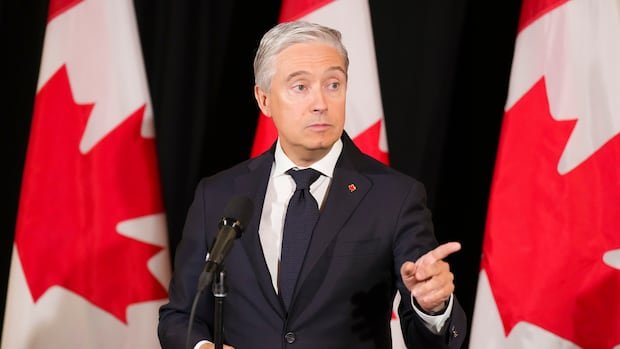
Finance Minister François-Philippe Champagne stated, “By transitioning to a fall budget cycle and introducing a new capital budgeting framework, we aim to make well-timed and transparent decisions to facilitate generational investments.”
Officials, speaking anonymously in a technical briefing, highlighted that a fall budget would assist organizations reliant on federal funding to plan programs more effectively before the fiscal year begins in April. Furthermore, releasing the budget well ahead of the spring estimates will enable MPs to oversee planned expenditures more efficiently.
The new framework, which fulfills a pledge made by Prime Minister Mark Carney during the previous federal election campaign, ensures that Finance Canada adheres to public sector accounting standards while dividing the budget into operational and capital spending components.
Capital spending, as outlined in a background document released by Finance Canada, encompasses government expenses that contribute to capital formation in the public or private sectors. This includes investments in infrastructure and projects that stimulate capital growth in various sectors.
Champagne reassured that the deficit calculation and debt recording methods will remain consistent with the past, emphasizing that the new framework provides an additional perspective on budgeting for generational investments.
The Finance Minister affirmed the government’s commitment to balancing operational spending within three years. However, during a parliamentary session, Conservative MP Pat Kelly questioned the feasibility of this goal, implying that the budget might never achieve balance under the current government’s plans.
Champagne defended the government’s spending decisions, emphasizing the importance of investing in infrastructure, defense, and other vital areas to bolster the economy amid changing global dynamics. He emphasized the need for clarity between operating expenses and long-term investments as Canada navigates economic transformations post-U.S. trade challenges.

