
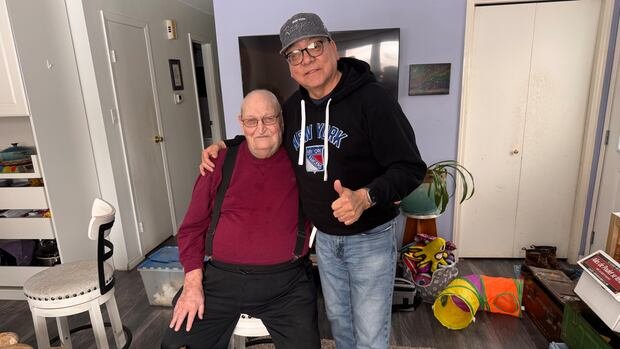
A resident of Cut Knife, Saskatchewan, generously contributed numerous Indigenous artifacts, some possibly dating back thousands of years, to the Chief Poundmaker Museum and Gallery. The donation, consisting of various tools like hammers, tomahawks, scrapers, and arrowheads, was officially handed over to the museum in Poundmaker Cree Nation, located about 15 kilometers northwest of Cut Knife in western Saskatchewan, over the weekend.
Floyd Favel, the museum’s curator, expressed that these artifacts would enhance the museum’s purpose of serving as a link between the past, present, and future. He emphasized the importance of educating both the community and the public to create a comprehensive cultural legacy for not only the local people but all Canadians.
All artifacts in the museum are donations, and the collection process remains ongoing, as stated by Favel. He mentioned that researchers have highlighted the existence of numerous other items related to Poundmaker or Chief Poundmaker and other Cree tribal groups in various collections worldwide.
Chief Poundmaker, also known as Pitikwahanapiwiyin, was a Plains Cree leader who was wrongly imprisoned for treason-felony after the 1885 Northwest Resistance. He was posthumously exonerated in 2019 by then Prime Minister Justin Trudeau. During the Battle of Cut Knife in 1885, Chief Poundmaker’s decision to halt his warriors from pursuing retreating Canadian forces saved many lives.
Andy Whiteman, the individual who gathered the donated artifacts over decades, shared that he collected most of the items while exploring the terrain near Cut Knife with guidance from local elders. Additionally, he obtained more pieces by engaging with classrooms, youth groups, and other contributors interested in supporting his collection.
Whiteman, a non-Indigenous individual who taught in Cut Knife for 35 years, expressed a strong familial bond with the Poundmaker Cree Nation community and a desire to return the artifacts to their rightful place. Milton Tootoosis, Chief Economic Reconciliation Officer for the Saskatoon Regional Economic Development Authority and a member of the Poundmaker Cree Nation, commended Whiteman’s dedication to preserving the community’s heritage.
Tootoosis highlighted Whiteman’s refusal to hand over the artifacts to museums and collectors, emphasizing that these items belonged with Indigenous peoples. Favel and Tootoosis, who were former students of Whiteman, facilitated the repatriation process by reestablishing contact with him.
Whiteman eagerly anticipated sharing the stories behind the artifacts during the presentation, aiming to raise awareness about the Poundmaker community and its history.

