
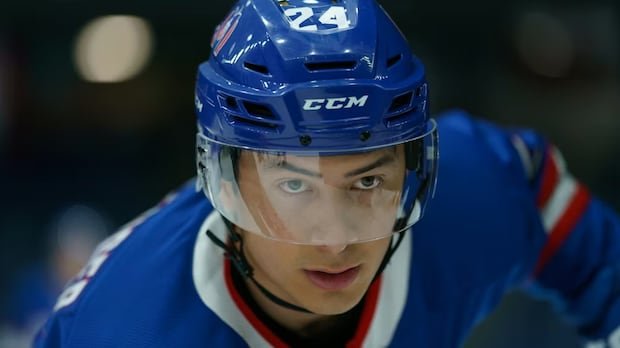
In the world of Crave’s popular series, “Heated Rivalry,” there’s a character who stands out not for what is explicitly stated, but for the subtle nuances that reveal his depth. Shane Hollander, the Canadian hockey star portrayed by Hudson Williams, is depicted as autistic, although this fact is not overtly addressed in the show’s episodes.
Inspired by the book series “Game Changer” by Canadian author Rachel Reid, which serves as the basis for the show, it was confirmed on Reddit that Shane’s character was unintentionally crafted as neurodivergent, with Reid suggesting he is likely autistic. Despite not initially intending to portray Shane in this light, Reid’s personal experiences with her neurodivergent child led her to recognize and embrace this aspect of the character.
Williams, drawing inspiration from his own father who is neurodivergent, embraced the portrayal of Shane as autistic. He noted in an interview that this understanding influenced his depiction of Shane, emphasizing authenticity and empathy towards the character.
“Heated Rivalry” has garnered immense popularity, becoming Crave’s most successful original series and receiving widespread acclaim from viewers and celebrities alike. Season 2 has already been greenlit, with the show’s representation of neurodiversity, particularly Shane’s subtle portrayal of autism, earning praise for its authenticity and respectful treatment.
The significance of Shane’s autism lies in its unobtrusive presence throughout the series, shaping his actions and interactions without becoming a focal point or stereotype. Fans and advocates have lauded the show for its nuanced depiction of autism, highlighting the importance of authentic representation in media.
For individuals like Katherine L’Etang, who resonates with Shane’s experiences as an autistic individual, the acknowledgment of his autism in the series is both relatable and refreshing. Unlike traditional portrayals of autism in media, Shane’s character development in “Heated Rivalry” remains centered on his personality and story, showcasing a more realistic and respectful approach to neurodiversity.
Williams, in preparing for his role as Shane, aimed to portray autism authentically, steering away from clichés and emphasizing the diverse ways in which autism can manifest. His commitment to capturing the essence of Shane’s autism through subtle gestures and behaviors has been commended by fans and experts alike, underscoring the show’s contribution to meaningful discussions on autism representation in media.

