
People wearing orange t-shirts were spotted moving around London on Tuesday, some going about their regular routines, while others were attending events in observance of National Day for Truth and Reconciliation (NDTR).
NDTR is an annual day for Canadians to reflect on the enduring impact of Canada’s state-funded, church-operated residential school system, paying tribute to the children who never returned home and contemplating the ongoing effects on Indigenous communities.
This year marks the fifth official recognition of the holiday in Canada, also known as Orange Shirt Day, coinciding with the tenth anniversary of the release of the final report from the Truth and Reconciliation Commission.
Jessica Hay, a member of the Wolf Clan from Oneida Nation of the Thames, expressed the significance of the day, acknowledging the somber tone but finding empowerment in the discussions and awareness raised.
Hay participated in an early morning sunrise ceremony at Western University’s Wampum Learning Lodge, led by Elder Mike Hopkins, featuring a sacred fire lighting. She emphasized the healing and sense of community fostered by spending time with fellow community members.
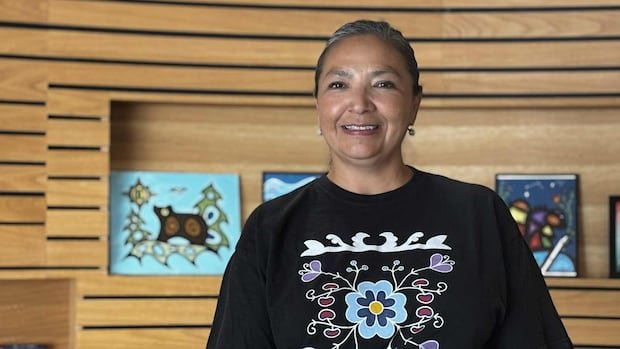
As a federal statutory holiday, some individuals had the day off, prompting reflections from Paula Cornelius-Hedgepeth, also of Wolf Clan descent, and the director of Indigenous Engagement at the Wampum Learning Lodge. She urged people to actively engage with the day’s events and educational opportunities rather than simply treating it as a day off.
Various activities were held across London, including a sunrise ceremony at the N’Amerind Friendship Centre and orange lighting of City of London buildings. Additionally, the Indigenous Fellowship of Hamilton Road and Atlohsa Family Healing Services organized family activities, while schools and buildings raised orange flags in solidarity.
Cornelius-Hedgepeth highlighted the importance of non-Indigenous individuals seizing the chance to learn, build relationships, and engage with Indigenous history to promote understanding and reconciliation.
Growing up near a residential school without knowing her family’s history, Cornelius-Hedgepeth embarked on a journey of discovery in her late twenties, drawing connections between her grandparents’ experiences and her own. Hay, on the other hand, learned about her family’s residential school history at a young age, recognizing the importance of sharing these stories to raise awareness and understanding.
As younger Indigenous individuals delve into their heritage and traditions, Cornelius-Hedgepeth noted the strength that comes from understanding history, participating in ceremonies, and preserving cultural practices. She emphasized the resilience of Indigenous communities in healing from the intergenerational trauma of residential schools, highlighting the progression towards stronger nations with each generation.

