
Several prominent news organizations, such as The New York Times, The Associated Press, and the conservative Newsmax television network, have announced their refusal to sign a U.S. Defense Department document outlining new press regulations. This decision is expected to result in the potential eviction of their reporters from the Pentagon by the Trump administration.
The media outlets argue that the policy poses a threat to their ability to conduct routine news gathering activities, which are safeguarded by the First Amendment. Joining the dissent, The Washington Post, The Atlantic, and Reuters have publicly declared their stance against signing the document.
In a statement, Reuters emphasized its dedication to providing accurate, impartial, and independent news while upholding the press freedoms enshrined in the U.S. Constitution. The agency expressed concern that the Pentagon’s new guidelines undermine these core values.
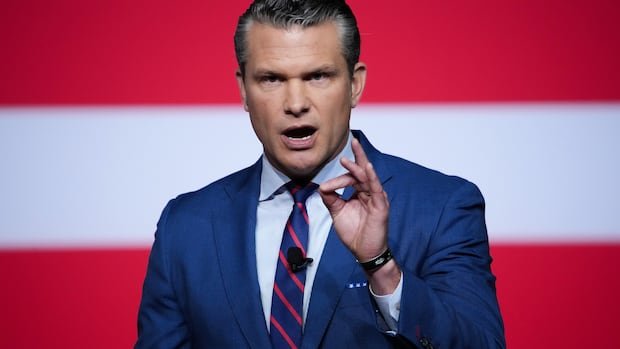
Reacting to the defiance, U.S. Defense Secretary Pete Hegseth shared The New York Times’ statement on a social media platform and added a hand-waving emoji. He and his team have mandated that reporters who fail to acknowledge the policy in writing by Tuesday will be required to surrender their Pentagon badges and vacate their workspaces the following day.
A key aspect of the new regulations is the restriction on journalist access to certain areas of the Pentagon without an escort. Additionally, Defense Secretary Hegseth has the authority to revoke press credentials of reporters who seek information from Defense Department personnel without his prior approval.
Newsmax, a network known for its pro-Trump stance, has voiced opposition to the stringent requirements, urging the Pentagon to reconsider the matter. Chief Pentagon spokesperson Sean Parnell defended the rules as establishing sensible media protocols, emphasizing that they only require reporters to acknowledge, not agree, with the policy.
Pushing back against what they view as false claims, journalists argue that signing the document implies an acceptance of the notion that reporting unauthorized information jeopardizes national security, a position they refute. Pentagon reporters assert that they operate within legal boundaries, refrain from accessing classified areas, and do not publish information that could endanger individuals.
The Pentagon Press Association criticized the requirement for reporters to affirm their understanding of ambiguous and potentially unconstitutional policies as a precondition for reporting from Pentagon facilities. Highlighting the public’s right to transparency, Times Washington bureau chief Richard Stevenson underscored the importance of taxpayers knowing how the government and military function.
President Trump’s administration has faced criticism for its efforts to exert pressure on news organizations, including settling lawsuits with ABC News and CBS News and initiating legal action against The New York Times and The Wall Street Journal. Additionally, steps have been taken to curtail funding for government-operated services like the Voice of America and Radio Free Europe/Radio Liberty.

