
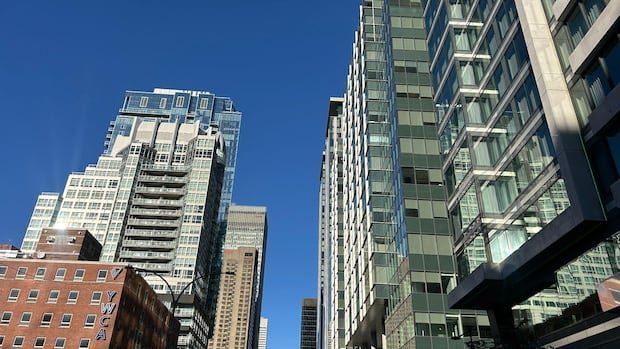
In the Montreal area, there is a housing shortage leading to development conflicts in various locations. Proposals for new construction are facing opposition in places like a protected forest in the West Island and green spaces on Nun’s Island. The pressure on incoming municipal leaders is to balance the need for urgent development with environmental preservation and resistance from residents unwilling to see changes in their neighborhoods.
In Pointe-Claire, plans to build on a forest near Fairview Mall are causing controversy. The 16-hectare site has become a focal point in the upcoming municipal election, with residents advocating for the protection of the entire forest. Suggestions have been made to reconsider developing the Fairview Mall site or its expansive parking lot instead of clearing trees.
Similar debates are occurring throughout Montreal and its suburbs as municipalities strive to address the housing demand while also safeguarding green spaces and addressing citizen concerns. Some housing projects have been stalled by a small number of residents using referendums to block zoning changes, prompting the Quebec government to review the balance between citizen rights and housing needs.
In Westmount, city council approved a contentious plan to construct four 20-storey residential towers near downtown. Despite opposition from residents citing concerns about heritage preservation and unit suitability, the plan was endorsed with the possibility of modifications in the future.
On Montreal’s South Shore, an environmental group in Châteauguay is resisting the development of woodland along Highway 30 to prevent urban sprawl and preserve the community’s forested areas. The group emphasizes the importance of creating sustainable communities with affordable housing close to public transit.
Housing starts in the Montreal region have increased in 2025, particularly in new rental units, after a slowdown in previous years. The need for more multi-unit buildings suitable for families near public transit remains crucial to meet housing demands. Experts stress the importance of increasing density around new REM stations to cater to residents using public transport for commuting.
In Pointe-Claire, the potential for a win-win scenario is highlighted where the forest can be protected while developing existing asphalt areas to maintain the quality of life for citizens and future generations.

