
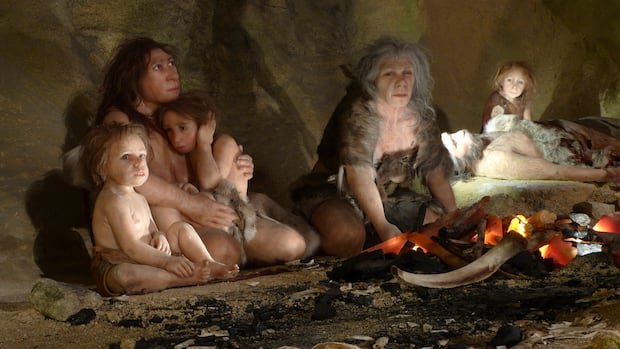
A recent genetic study suggests that Neanderthals predominantly inherited modern human DNA from their female relatives due to mate preference differences between Neanderthal men and women. Researchers from the University of Pennsylvania reached this conclusion by examining the proportion of anatomically modern human (AMH) and Neanderthal DNA in the X chromosomes of Neanderthals. The study indicates insights into the social behavior of ancient populations.
The interaction between modern humans, originating in Africa, and Neanderthals, residing in Europe and Asia, led to interbreeding and genetic exchange over multiple instances. Consequently, individuals outside sub-Saharan Africa possess traces of Neanderthal DNA in their genetic makeup.
Analyzing Neanderthal X chromosomes revealed a higher concentration of human DNA compared to other chromosomes. This phenomenon was particularly evident in ancient Neanderthal women, with up to 62% more human DNA in their X chromosomes. Possible explanations include the enhanced functionality of human genes on X chromosomes in Neanderthals or a greater prevalence of mating between individuals with differing ancestries.
The unequal distribution of human DNA in Neanderthal X chromosomes could be attributed to preferential mating patterns, differential chromosome inheritance between genders, and evolutionary pressures. Researchers suggest that a combination of factors, such as mate selection, migration trends, and genetic selection, contributed to the observed biases in Neanderthal genomes.
Moreover, previous studies have indicated potential challenges faced by Neanderthal-human hybrids in terms of fertility and offspring health due to genetic mismatches. These findings shed light on the complexities of ancient mating practices and their impact on genetic diversity among early human populations.
Overall, the study provides valuable insights into the genetic legacy of Neanderthals and highlights the intricate interplay of genetic, social, and evolutionary factors in shaping human ancestry.

