
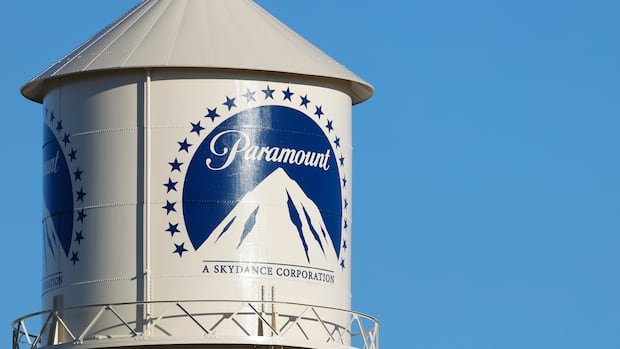
Paramount Skydance made a surprising move on Monday by launching a hostile bid worth $108.4 billion US for Warner Bros. Discovery, disrupting a previously agreed-upon $72-billion US equity deal with Netflix. The goal is to create a media powerhouse that can rival the dominance of the streaming giant.
The board of directors at Warner Bros. Discovery responded to Paramount’s offer by stating they would review it but maintained their recommendation in favor of the deal with Netflix. They advised shareholders to hold off on taking any action regarding the proposal from Paramount Skydance.
While Netflix’s co-CEO, Ted Sarandos, expressed confidence that their deal would proceed as planned, Paramount also proposed to acquire Warner Bros.’ cable television assets, a move that was previously rejected in favor of Netflix’s offer. Paramount claimed their bid was $18 billion US higher than Netflix’s, which they argued was based on an unrealistic valuation of the cable assets.
Criticism has already emerged from lawmakers and Hollywood unions over concerns about potential job cuts and increased consumer prices resulting from the bid. Moreover, Paramount’s offer faces its own set of risks, including the need for additional debt to finalize the transaction and the likelihood of facing antitrust scrutiny due to the consolidation of two major television operators.
The manner in which Paramount made its bid, publicly revealing it after the announcement of the Netflix-Warner Bros. deal, is known as a hostile takeover bid. This strategy typically involves an unsolicited buyer going against the wishes of the target company. Paramount directly approached Warner Bros. shareholders to present their case against the board’s preferred deal.
Analysts and industry insiders are assessing the pros and cons of each deal, with opinions divided. While Paramount is seen as a company that values quality over quantity, Netflix is perceived as focusing on generating a large volume of content. The differences in approach have sparked debates within the entertainment industry, particularly concerning theatrical release strategies.
The implications of this bid extend beyond the companies involved, raising questions about the future of media and entertainment landscapes. The potential impact on Canadian media holders and the streaming experience in Canada remains uncertain, with experts suggesting significant shifts in the content distribution ecosystem.
In conclusion, the battle for Warner Bros. Discovery highlights the evolving dynamics of the media industry and the challenges and opportunities that lie ahead for key players in the entertainment sector.

