
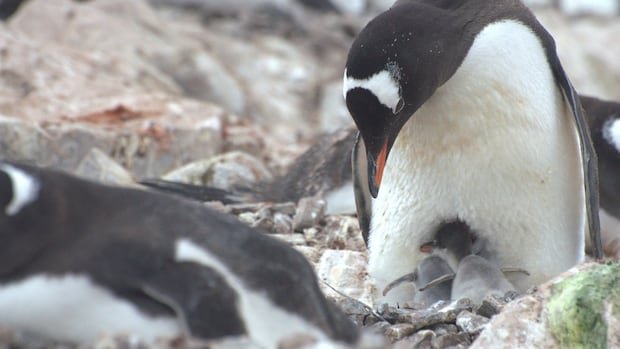
A recent study spanning over a decade has revealed that penguins in Antarctica are rapidly adjusting their breeding behaviors in response to escalating temperatures caused by climate change. The study, centered on three penguin species, highlights varying rates of adaptation among the different species based on their characteristics and vulnerabilities.
Lead researcher Ignacio Martinez from the University of Oxford emphasized the concept of “winners and losers” in the face of climate change. Among the studied species – Gentoo, Adélie, and chinstrap penguins – Gentoo penguins, known for their ability to consume fish and krill and reside near their nesting sites year-round, demonstrated the most significant shift in their breeding season, advancing by an average of 13 days.
In contrast, the chinstrap and Adélie penguins, which heavily rely on krill and undertake extensive migrations throughout the year, experienced a more modest 10-day shift in their breeding seasons. The study extensively monitored these penguin populations using a network of 77 time-lapse cameras spread across the Antarctic Peninsula and nearby islands.
While the rapid adaptation of penguins to changing conditions is noteworthy, the researchers caution that the varying rates of adaptation could lead to inter-species conflicts over resources and habitat. Despite the apparent advantage of the Gentoo penguins in establishing new colonies and expanding their numbers compared to the other two species, the overall outlook for penguins remains concerning.
Beyond penguins, a broader study published in Nature Communications underscores a global trend of various bird, mammal, and reptile species adjusting their breeding and migration patterns due to climate change. Notably, species near the poles are altering their activities more rapidly. This study indicates that species are capable of adapting to the changing climate by modifying the timing of their crucial life events.
The impact of these shifting breeding seasons on penguin populations remains a subject for further investigation by Martinez and his team. The ongoing adaptations observed in penguins and other species shed light on the complex interplay between wildlife and a changing environment, emphasizing the need for continued research and conservation efforts.

