
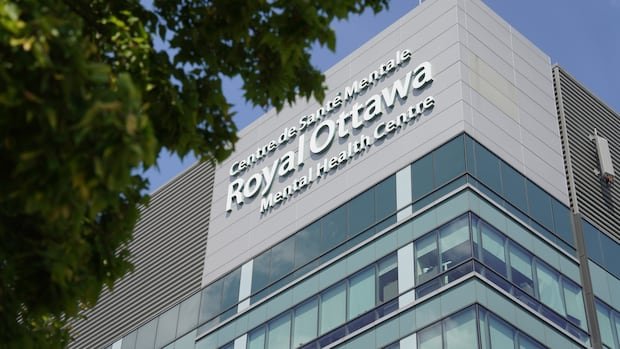
Twenty-five years following its contentious closure, the Royal Ottawa Mental Health Centre is gearing up to launch an urgent care facility at its Carling Avenue site. The clinic aims to serve as an alternative to traditional hospital emergency departments, offering prompt and specialized assistance to individuals facing mental health or substance use crises.
According to Cara Vaccarino, the President and CEO of The Royal, the clinic is poised to address critical gaps in Ottawa’s care continuum upon its anticipated opening next year. Vaccarino emphasized the soaring demand for mental health services in the region, highlighting the urgent care clinic’s role in providing immediate assessment and specialized support for mental health crises.
The establishment of this clinic is expected to ease the burden on local hospital emergency rooms, enabling them to redirect their focus to other healthcare sectors. Vaccarino underscored the importance of offering individuals experiencing psychiatric emergencies a dedicated space for care, preventing them from overcrowding emergency departments across the city.
Additionally, the clinic aims to aid family physicians who oversee a significant portion of mental health cases within the community. Vaccarino stressed the necessity for immediate access to specialized psychiatric services for family doctors who may encounter complex cases beyond their expertise.
The Royal’s emergency mental health department shuttered in 2000 during a provincewide initiative to streamline healthcare services in Ontario. However, after a quarter-century, the Royal’s board unanimously voted to reopen the facility. Vaccarino confirmed that the new urgent care clinic is scheduled to commence operations in March or April.
In parallel, the Ottawa Police Service has introduced a novel program deploying a mobile crisis response team (MCRT) comprising specially trained officers and mental health professionals from The Ottawa Hospital. The initiative seeks to enhance the force’s capability to address mental health crises in the community, effectively bringing mental health expertise to live emergency calls.
Sgt. Dodd Tapp, head of the MCRT, highlighted the initiative’s emphasis on de-escalation and the positive outcomes observed thus far. The MCRT operates from Tuesday to Friday, with plans to expand to three teams by 2027, funded by Ontario’s solicitor general. The project also includes crisis intervention training for frontline officers.
Peter Tilley, CEO of The Ottawa Mission, acknowledged the prevalent mental health and addiction crises faced by organizations like his on a daily basis. He expressed optimism that these new initiatives could bridge existing gaps in Ottawa’s mental health response network, emphasizing the crucial role of quick and professional intervention in de-escalating crises.
Tilley lauded the potential of The Royal’s urgent care clinic to alleviate strain on organizations like his own, providing valuable support for families in need. He stressed the community’s need for accessible urgent care services and the positive impact this clinic could have on Ottawa’s mental health support system.

