
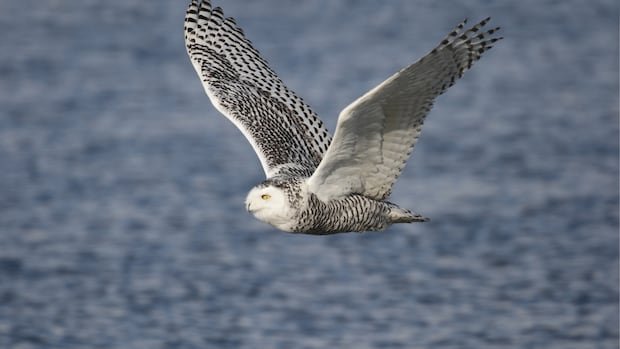
The population of snowy owls soaring over the Arctic tundra is declining significantly due to various threats. Despite the urgent situation faced by these iconic North birds, the process for granting them legal protection is progressing slowly.
Habitat loss and the increasing difficulty in finding prey are major threats to these birds. Additionally, collisions with vehicles, buildings, and power poles during migration are contributing to the dwindling numbers. The snowy owl population, currently around 14,000, is decreasing by more than 30% per decade.
The species was classified as threatened due to the rapid decline in numbers, as noted by Syd Cannings, a retired biologist involved with the Committee on the Status of Endangered Wildlife in Canada. However, formal legal protection is not automatically triggered by a scientific assessment of declining populations. Following a species being deemed threatened, researchers and various governmental bodies engage in extensive consultations on conservation efforts, a process that can span over two years or longer.
The lengthy process of granting legal protection begins with at least two years of data analysis by the committee’s scientists to determine the species’ status. This delay leaves the snowy owl vulnerable for years before conservation measures can be implemented. According to Cannings, it can take over two years from the assessment of a threatened status to the formal listing under federal law, as the government proceeds cautiously to consider the impacts on various stakeholders.
Consultations are currently ongoing within the federal government, with the Environment and Climate Change Canada spokesperson, Eleni Armenakis, highlighting that the committee’s assessment is the initial step under the Species at Risk Act. The environment minister received the assessment of the snowy owl on October 16 and extended consultation timelines to fulfill land claims obligations. This ongoing consultation process aims to address the challenges faced by the snowy owl population.
The primary threat to the snowy owl, as mentioned by Cannings, is the gradual alteration of its habitat driven by climate change. This change has led to a reduction in productive hunting grounds for lemmings, impacting the owl’s nesting sites. Other threats to the snowy owl include avian flu cases and various human-induced dangers such as collisions with vehicles and buildings.
Cameron Eckert, director of the Yukon Bird Club, emphasized the complexities surrounding the conservation of snowy owls due to factors like changing sea ice and fluctuating lemming populations, which are beyond human control. He also highlighted the cultural significance of snowy owls, as they symbolize a link to the far North in people’s minds.
Overall, the challenges faced by snowy owls underscore the broader impacts of climate change on wildlife and the urgent need for conservation efforts to protect these iconic Arctic birds.

