
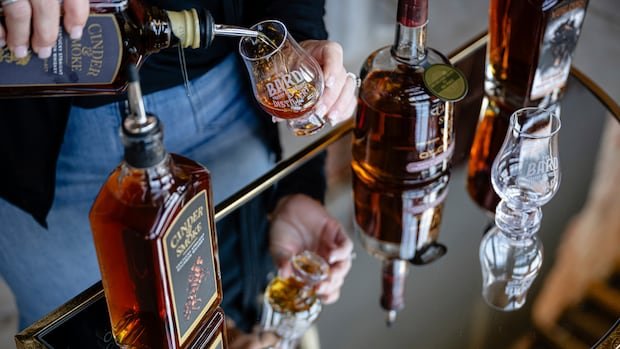
In Canada, the popularity of Kentucky bourbon has waned due to the ongoing trade tensions between the U.S. and Canada. The tariff war instigated by U.S. President Donald Trump led to a surge in support for Canadian products, resulting in a decline in American bourbon sales in the country. Despite a strong desire to see bourbon back on shelves, experts believe that the situation has permanently altered the liquor landscape.
The rise in bourbon consumption in Canada over a decade ago was driven by its unique flavor profile and marketing efforts. However, the recent shift towards Canadian alternatives has affected major bourbon brands like Jim Beam and Maker’s Mark. The distinctive characteristics of bourbon, such as its aging process in new oak barrels and high corn content, have endeared it to Canadian consumers, who enjoy it neat, on the rocks, or in various cocktails.
The boycott of American products has significantly impacted bourbon exports to Canada, leading to a 60% decrease in shipments. While some provinces have resumed stocking U.S. booze, the industry continues to face challenges such as oversupply and declining global whisky sales. This situation has created an opportunity for Canadian distilleries to innovate and cater to the changing consumer preferences.
Maverick Distillery in Ontario has adapted to the shifting market dynamics by bottling Kentucky bourbon locally to meet consumer demand. Despite the emphasis on supporting Canadian products, this move has raised questions about the balance between promoting local goods and offering popular international brands. Other distilleries across Canada have also introduced bourbon-style whiskies to satisfy the demand for Kentucky-inspired flavors.
The decline in whisky sales worldwide, coupled with changing consumer preferences and the rise of alternative beverages like cannabis-infused drinks, has prompted a reevaluation of the industry. Canadian whisky producers are experiencing a surge in demand and are struggling to keep up with the changing market dynamics. This shift has not only highlighted the resilience of the Canadian whisky industry but also showcased the diversity and quality of local products to consumers seeking bourbon-like alternatives.

