
In a significant shift, U.S. President Donald Trump’s position on the Ukraine conflict aligns more closely with Russian President Vladimir Putin’s perspective. Speculation arose recently about Trump taking a tougher stance against Russia’s actions, possibly aligning more with the European Union’s stance. However, Trump’s statements during the U.N. General Assembly, which sparked this speculation, turned out to be more of a temporary deviation than a policy change.
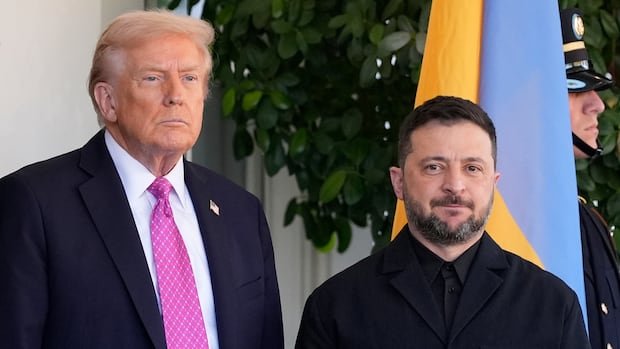
After hinting at providing Ukraine with Tomahawk cruise missiles, Trump engaged in a lengthy phone call with Putin at the Russian leader’s request. Subsequently, during his meeting with Ukrainian President Volodymyr Zelenskyy at the White House, Trump stepped back from the missile deal and emphasized his belief that Putin desires peace.
According to Phillips O’Brien, a strategic studies professor at the University of St. Andrews, Trump’s current position is consistent with his administration’s actions, such as halting financial aid to Ukraine, refraining from imposing new sanctions on Russia, and pressuring Zelenskyy to make concessions.
Recent reports suggest that during a private meeting at the White House, Trump reportedly pressured Zelenskyy using harsh language, insisting that Ukraine should agree to Putin’s terms to end the conflict, even at the cost of ceding territory to Russia. This shift in Trump’s stance appears to have been influenced by his conversation with Putin, according to global affairs analyst Michael Bociurkiw.
Furthermore, Trump’s recent statements indicate a departure from his previous optimism about Ukraine’s prospects in the conflict, suggesting a more neutral stance and framing his involvement as a means to prevent further casualties. Talks of a Trump-Putin summit in Hungary in the near future have emerged, although Zelenskyy has expressed reservations about the location and the host, Hungarian PM Viktor Orban, known for his pro-Putin stance within the EU.

