
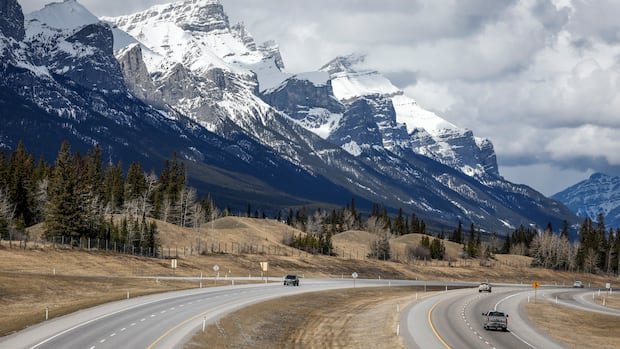
A historic lack of snow in the western U.S. is causing concerns regarding future water scarcity and wildfires in the upcoming summer months. Findings from a recent Canadian study suggest that this situation may indicate a prolonged pattern that could jeopardize water resources for millions nationwide.
Snow coverage in the western U.S. is notably lower than usual for this period and represents the lowest levels recorded since the monitoring began in 2001 using NASA’s Terra satellite. The decrease in snow accumulation is likely linked to a warming climate. Research conducted by Concordia University in Montreal reveals a decline in winter snow and water content in parts of Western Canada between 2000 and 2019.
Although the areas experiencing significant reductions constitute only a small portion of the country, they impact the headwaters of major rivers in the Canadian Rockies. The study also identifies minor declines in other regions of southern Canada, which individually do not show statistical significance. Ali Nazemi, a study co-author and associate professor at Concordia, highlights that out of Canada’s 25 major drainage basins, 14 are currently affected by these trends.
The diminishing snow levels have wide-ranging implications, affecting municipal water systems, agriculture, lake levels, shipping operations, and the risk of wildfires in Canada’s forests. Snowpack in mountainous regions plays a crucial role in storing and gradually releasing water, crucial for various human activities and ecological systems.
This year, the reduced snowfall is disrupting ski activities at major resorts in the region. Many slopes in British Columbia have had to halt operations or reduce services due to the lack of snow and warm conditions. Vail Resorts reports one of the lowest early season snowfalls at its U.S. locations, including Whistler, B.C. Vancouver is experiencing its first snowless winter in over four decades.
The scarcity of snow is not solely due to decreased precipitation but also to a shift towards more rain rather than snow, termed a “wet snow drought” by Alejandro Flores, a geosciences professor. The warmer temperatures can lead to rain rather than snow in winter months, hindering snowpack accumulation and potentially increasing the risk of water stress in forests and higher wildfire dangers.
Nazemi’s team predicts that the declining snow trends affecting the Canadian Rockies are extending to mountainous regions in the western U.S. The study introduces a new measure, “snow water availability,” to gauge the water content within the snowpack accurately. The Okanagan in B.C., the Assiniboine-Red River basin in Manitoba, and the Saskatchewan River basin are among the watersheds most impacted by diminishing snow water, potentially affecting water flows in crucial rivers.
Past instances of reduced snow cover have already affected water security, leading to severe droughts and water level drops in various regions. The continuous decline in snow levels raises concerns about future water shortages and underscores the need for comprehensive research and adaptation strategies.
Understanding the repercussions of these changes is vital for developing sustainable water management practices as the natural water towers provided by mountains may no longer function as expected in the face of shifting climate patterns.

