
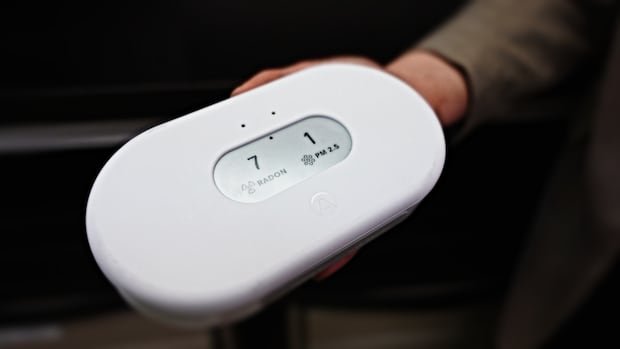
Homeowners seeking to test their property’s radon levels have a myriad of radon monitors available for purchase online or in retail outlets. However, experts caution that many of these devices are ineffective. Pam Warkentin, the executive director of the Canadian Association of Radon Scientists and Technologists (CARST), highlighted the issue of Canadians inadvertently using uncertified monitors, leading to inaccurate readings. This situation can result in wasted resources as electronic monitors can cost hundreds of dollars each and require testing over a minimum of three months.
The use of unreliable monitors can pose a significant public health risk by potentially misinforming homeowners about their radon exposure. Radon, a colorless, radioactive gas prevalent in Canadian homes, is a known cause of lung cancer. Despite the high prevalence of radon in homes across the country, some individuals may ignore mitigation measures due to misleading readings from faulty monitors.
To ensure accurate radon testing, Health Canada recommends conducting tests for at least three months, preferably during the winter months when homes are more sealed, potentially leading to higher radon concentrations. Homeowners can opt to hire radon measurement professionals or utilize test kits for extended testing periods. While some communities offer free radon monitors, most homeowners purchase their devices, ranging from passive tracking tools to real-time electronic monitors.
Identifying approved and certified radon monitors is crucial for accurate readings. Health Canada, in collaboration with CARST, has approved only six electronic monitors for household use as of March 2026. These certified devices include popular brands like Airthings and Ecosense. Canadians seeking approved monitors can access a list of suppliers through the Take Action on Radon program.
In light of the growing market for radon monitors, consumers must be vigilant about recalls and unreliable devices. Warkentin emphasized the importance of consulting the list of uncertified or recalled devices provided by the radon certification program before making a purchase. The landscape of radon monitors is constantly evolving, with manufacturers occasionally rebranding faulty devices to circumvent recalls or negative reviews.
Ensuring the accuracy and reliability of radon monitors is essential for homeowners looking to protect their families from the health risks associated with radon exposure. Proper testing procedures and the use of approved devices can help individuals make informed decisions about mitigating radon levels in their homes.

