
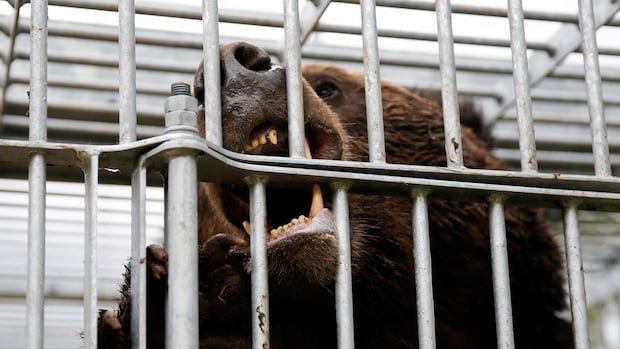
Japan has dispatched military personnel to address a series of bear incidents causing alarm among residents in Akita, a mountainous region in the country’s north. Reports of dangerous encounters with brown and Asiatic black bears have escalated as the animals search for food before hibernation, with sightings near schools, train stations, supermarkets, and even a hot springs resort.
Over 100 people have been hurt and at least 12 killed in bear attacks across Japan since April, as per Environment Ministry data from October. The expanding bear population is encroaching on residential areas in a region with an aging and dwindling human population, lacking skilled hunters.
Authorities estimate the bear population in Japan exceeds 54,000. In response to the crisis, soldiers have been mobilized in collaboration with Akita prefecture to deploy non-lethal measures such as setting traps with food, assisting local hunters, and managing dead bears, avoiding the use of firearms.
The operation commenced in Kazuno city, known for multiple bear sightings and injuries. Soldiers, equipped with protective gear and deterrents, set up traps in a forested area near an orchard where bears had damaged fruit crops. Local officials expressed urgency due to manpower shortages, with the Defence Minister emphasizing that the military’s primary focus remains national defense.
In Akita prefecture, with a population of approximately 880,000, more than 50 bear attacks have occurred since May, resulting in at least four fatalities. Experts note that abandoned areas with fruit trees often attract bears to human settlements, stressing the need for population control.
Japan’s aging rural population contributes to the issue, with a declining number of skilled hunters. To address the escalating problem, authorities are planning population surveys, enhanced communication for bear warnings, and potential revisions to hunting regulations. The lack of proactive measures has allowed the bear population to surge in northern regions, underscoring the need for swift intervention.

