
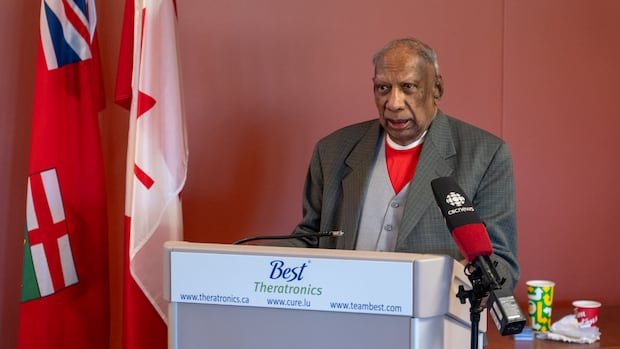
The owner of a medical manufacturing company in Ottawa admits to financial constraints preventing compliance with Canada’s nuclear regulator’s directives. Last year, Best Theratronics faced orders from the Canadian Nuclear Safety Commission (CNSC) due to issues arising from a labour dispute and safety concerns at its facility. The CNSC mandated the company to secure a $1.8 million financial guarantee for potential decommissioning costs.
Despite nearly a year passing, owner Krishnan Suthanthiran asserts financial limitations, alleging the CNSC’s imposition of the guarantee as excessive. Suthanthiran claims inability to obtain loans and expresses intentions to relocate operations to India or the United States due to the prohibitive cost of maintaining the current license.
The CNSC has acknowledged Best Theratronics’ non-compliance with its nuclear license but refrains from disclosing future actions. As the regulatory body overseeing nuclear facilities in Canada, the CNSC holds the authority to issue penalties, revoke licenses, and initiate legal proceedings.
Critics, like Green Party Leader Elizabeth May, accuse the CNSC of leniency towards Best Theratronics, labeling the situation as a regulatory failure. May highlights the company’s diminished workforce post-strike and challenges the validity of its operational license.
Formerly a division of Atomic Energy of Canada, Best Theratronics, formerly MDS Nordion, transitioned to Suthanthiran’s ownership in 2008. Suthanthiran, a Carleton University alumnus, has faced legal issues in Belgium related to financial mismanagement in the past.
Suthanthiran plans to discontinue nuclear manufacturing in Canada and shift focus to non-licensed operations at the Kanata plant. He cites difficulties in recruiting skilled workers post-strike, emphasizing the company’s struggle to replenish its workforce.

