
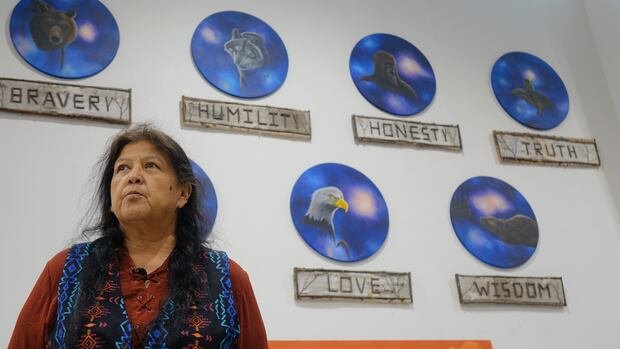
In Constance Lake First Nation, a state of emergency was declared by Chief Ramona Sutherland and her council after three community members passed away within a span of three days on November 22, 2021. Sutherland emphasized the urgent need for assistance in a press release. The small community of 800 residents, located near Hearst in northern Ontario, was grappling with a surge in illnesses resembling pneumonia or flu. These symptoms were later attributed to a relatively unknown condition called blastomycosis.
During a coroner’s inquest addressing the outbreak, Sutherland shared her efforts to address the community’s fears and uncertainties by providing regular updates through newsletters and daily live social media sessions. She delved into the details of blastomycosis, explaining how the disease is caused by inhaling spores released from disturbed decaying plant matter, potentially mixed with animal waste.
The outbreak triggered high levels of anxiety among residents, surpassing concerns about COVID-19. Sutherland highlighted the challenges of managing both health threats concurrently. The situation led to reports of heightened anxiety, substance abuse among children, and instances of neglecting prescribed medication for blastomycosis, exacerbating community distress.
Sutherland’s proactive measures included advocating for testing to identify the source of the fungus, which yielded inconclusive results. She raised concerns about potential environmental factors contributing to the outbreak, such as a historical sawdust pile and sewage discharge into nearby Wilmot Lake.
The inquest also featured testimony from Raphael Sutherland, the son of Lizzie Sutherland, a victim of the outbreak, who shared poignant memories of his mother’s unwavering love and the impact of her passing. Additionally, Nishnawbe Aski Nation Grand Chief Alvin Fiddler addressed the jury, emphasizing the importance of preventing further blastomycosis-related deaths in the community.
Looking ahead, Sutherland called for enhanced cultural awareness, trauma-informed training for healthcare staff, and improved community cleanup efforts to mitigate the risk of future outbreaks. Despite ongoing challenges, community members remain resilient and committed to their homeland, even in the face of adversity.
As the inquest continues, public health officials, former hospital executives, and Indigenous health experts are slated to provide further insights into the tragic events that unfolded in Constance Lake First Nation.

