
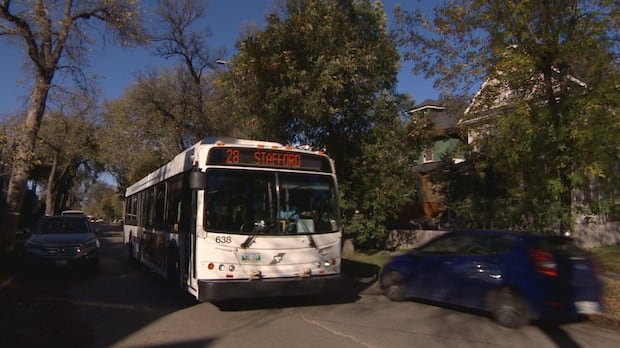
A city planning expert has raised concerns that Winnipeg Transit’s recent network changes are negatively impacting low-income individuals who depend on public transportation. Orly Linovski, an associate professor at the University of Manitoba, highlighted issues with long and unreliable transfer times due to insufficient bus availability. She emphasized that these challenges could lead to financial repercussions for individuals who rely on timely transportation for work or childcare.
Winnipeg Transit implemented a significant route overhaul in June, transitioning to a grid-like “spine-and-feeder” system. However, the new network has faced criticism for various shortcomings, such as extended distances between stops and limited late-night service. While the city has made some adjustments and plans for further changes in December, Linovski stressed the urgent need for improvements in response to the community’s needs.
Coun. Janice Lukes acknowledged the limitations in enhancing bus services under the city’s current funding model, citing the necessity for increased funding from provincial and federal sources. She emphasized the importance of public feedback in shaping future route adjustments and improvements to Winnipeg Transit.
In response to the criticisms, Mayor Scott Gillingham highlighted the substantial investment in Winnipeg Transit, including a 27% growth in the operating budget since 2020. He pointed out enhancements such as the introduction of new zero-emission buses and increased late-night service based on rider feedback, underscoring the city’s commitment to ongoing progress.
Community organizations, including the North End Women’s Centre, have also voiced concerns about the new transit network’s impact on vulnerable populations. Staff members and clients have struggled with the changes, particularly noting decreased accessibility and challenges for those without alternative transportation options. The difficulties posed by the new system have left some individuals feeling discouraged and resorting to alternative modes of transportation, such as ride-sharing services.
Overall, the community advocates and experts are urging swift action to address the deficiencies in the transit system to ensure equitable access and reliability for all riders.

