
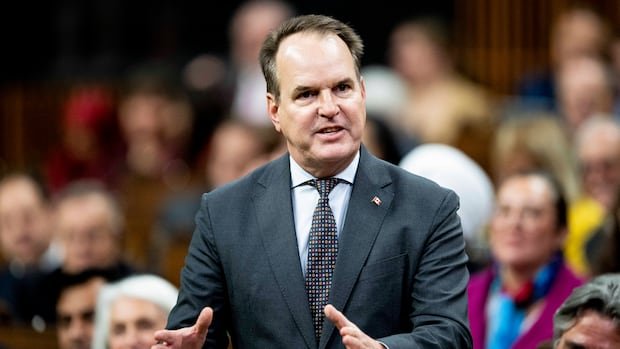
Liberal House leader, Steven MacKinnon, has expressed concerns about the government’s ability to secure enough votes to pass the upcoming federal budget. MacKinnon emphasized the need for opposition parties to weigh the prospect of triggering a new election scenario.
Highlighting the current minority government status, MacKinnon stressed the Liberals’ mandate to drive economic progress. With the budget set to be introduced on November 4, the Liberal administration will require support from at least one other party for its successful passage. Failure to secure approval could potentially lead to a snap election.
As part of efforts to garner necessary backing, opposition parties have been outlining their respective demands, including Conservative Leader Pierre Poilievre’s call for an “affordable budget” featuring broad tax cuts while maintaining the deficit under $42 billion. Additionally, Bloc Québécois Leader Yves-François Blanchet has put forward requests for increased federal health transfers, enhanced infrastructure investments, expanded housing initiatives, and boosted Old Age Security payments for individuals aged 65 to 75.
MacKinnon criticized Poilievre’s demands as unrealistic, citing the substantial revenue impact on the federal government. Despite some opposition, MacKinnon acknowledged the NDP’s more constructive engagement in providing feedback.
With Prime Minister Mark Carney gearing up to unveil the budget, discussions and negotiations with opposition leaders have been ongoing. Carney has stressed the need for readiness to face challenges and make sacrifices to bolster Canada’s economy amidst external pressures like U.S. tariffs.
MacKinnon underscored the necessity of making tough decisions to prioritize investments while acknowledging constraints on government operations. The focus remains on enhancing supply chains to diversify markets and strengthen economic resilience, aligning with the prime minister’s budgetary vision.

