
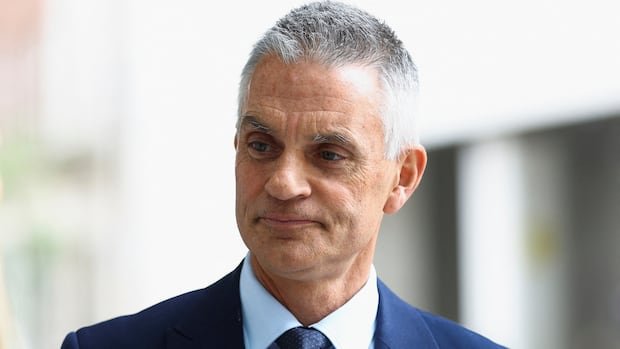
BBC’s top executives, director-general Tim Davie and head of news Deborah Turness, both stepped down on Sunday following backlash over the editing of a speech by U.S. President Donald Trump. The British broadcaster faced criticism for altering Trump’s speech before the Capitol attack on January 6, 2021.
In separate statements, Davie and Turness announced their resignations, citing the need to address the controversy surrounding the Trump documentary. Davie expressed that his decision to resign after five years was voluntary, emphasizing the importance of a smooth transition to a successor in the coming months.
Arriving at the BBC headquarters in London, Turness defended the organization’s journalists against accusations of bias, asserting their dedication to impartiality. Trump, in response, shared a Daily Telegraph article on social media, condemning the “Corrupt ‘Journalists'” for their editing practices.
Pressure on the BBC heightened with the release of a dossier critiquing the network’s handling of various issues, including the Trump speech edit, transgender coverage, and alleged anti-Israel bias in the Arabic service. The BBC’s unique funding structure through an annual license fee has drawn scrutiny from commercial rivals and the public.
Despite offering diverse entertainment and sports content, the BBC’s news division faces the most scrutiny due to its obligation to maintain impartiality. The network’s charter mandates unbiased reporting, leading to criticism from both conservative and liberal perspectives.
As the BBC navigates ongoing criticism, calls for reform and assurances of support from political figures underscore the network’s pivotal role in providing trusted news and programming for the British public.

