
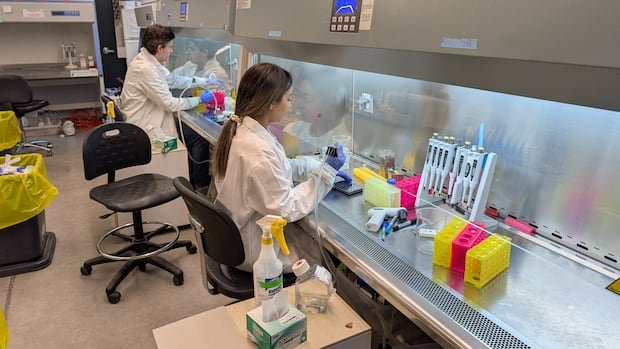
A pivotal moment led Charu Chandrasekera to shift her career focus from using mice in heart failure research to creating alternatives to animal testing. Observing the limited success of animal testing translating to human outcomes, she founded the Canadian Centre for Alternatives to Animal Methods at the University of Windsor in 2017. Despite groundbreaking work with technologies like 3D bioprinted tissues using human cells, funding challenges forced her to close the lab in 2024.
While countries like the U.K, the United States, and the European Union have allocated resources and strategies to replace animal testing in research, Canada lacks a concrete plan for biomedical testing involving animals. This gap persists despite Canada’s high annual usage of animals in research compared to other G7 nations.
Advancements in technologies such as organ-on-a-chip models, in-vitro methods, and AI computational models offer promising alternatives to traditional animal testing. Researchers like Milica Radisic from the University of Toronto advocate for proving the effectiveness of these methods to regulators to pave the way for widespread adoption.
The regulatory landscape, overseen by bodies like the Canadian Council on Animal Care, emphasizes the 3Rs principle: replace, reduce, and refine animal usage in research. While some animal testing remains necessary for data validation and public safety, the push for alternatives is gaining momentum globally.
Despite international initiatives investing millions in animal alternatives for drug development, Canada lags in funding such transitions. Charu Chandrasekera stresses the importance of Canada taking a proactive leadership role in embracing innovative research methods and securing funding to propel the shift away from traditional animal testing.

