
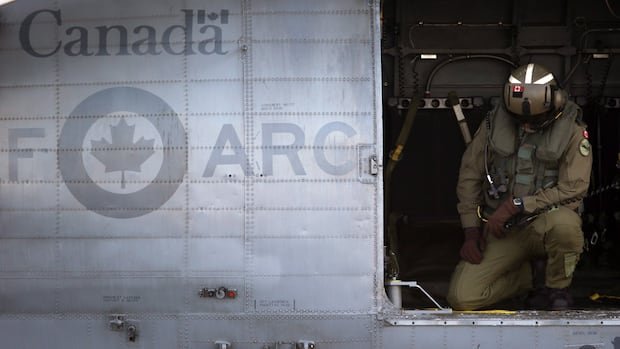
A recent internal report from the Department of National Defence obtained by CBC News reveals criticism of a new pay structure for military pilots aimed at retaining them in the armed forces rather than transitioning to commercial airlines. The report highlights issues with the implementation of the pay changes, which were introduced in response to a 2018 auditor general report identifying a shortage of trained pilots and technicians impacting the Royal Canadian Air Force’s operational commitments to NORAD and NATO.
The revised pay system, modeled after the civilian approach of increasing pay based on flying experience rather than rank advancement, has generated discontent among pilots, with 85 internal grievances filed by those who perceive it as unfair and limiting to their career prospects.
The objective of the pilot pay restructuring was to enhance pilot retention by aligning their pay more closely with the commercial airline industry. This move is crucial as a recent auditor general report emphasized the need for an adequate number of trained fighter pilots for the upcoming F-35 fleet deployment.
The new compensation system is designed to incentivize pilots to acquire skills and commit to long-term service by offering competitive pay based on qualifications and experience. However, the implementation of the system has led to unintended consequences, including some pilots declining promotions due to financial implications.
The report raised concerns about the lack of thorough research and planning in implementing the new pay structure, contrasting with practices in allied nations facing similar pilot retention challenges. It criticized the absence of a well-documented process and insufficient documentation in executing the pay changes.
Despite the challenges highlighted in the report, Defence Minister David McGuinty supported the decisions made by the Royal Canadian Air Force, emphasizing the importance of attracting and retaining Canadian pilots. The new commander of the air force, Lt.-Gen. Jamie Speiser-Blanchet, also praised the pay incentives for their positive impact on pilot recruitment.
Former air force major-general Charles (Duff) Sullivan, who reviewed the report, expressed concerns about the lack of foresight in addressing retention issues solely through increased pay. He emphasized that factors beyond monetary compensation, such as quality of life in remote postings, are crucial for pilot retention, particularly in the fighter pilot community.
While the government announced a general pay raise for the military last summer, separate from the pilot bonus system, the ongoing challenges with the pilot pay structure highlight the complexity of addressing retention issues within the Canadian Armed Forces.

