
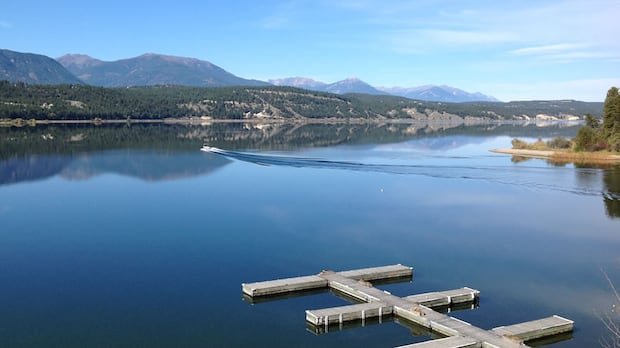
The ÊAkisqÌnuk First Nation is initiating a series of scientific and economic research projects on Lake Windermere and Columbia Lake as part of a comprehensive water conservation initiative that has sparked discussions regarding recreational boating in the region.
“Stewardship holds significant importance for the Ktunaxa people,” remarked ÊAkisqÌnuk Chief (NasuÊkin) Donald Sam during an interview with CBC’s Daybreak South. Sam emphasized the necessity of credible data in making informed decisions.
The First Nation has allocated $200,000 to conduct surveys of the East Kootenay lakes, focusing on mapping, shoreline evaluation, sediment dynamics, and the economic impact of recreational activities on the lakes.
There have been concerns raised by some residents regarding potential restrictions that could impact the local economy due to these stewardship deliberations.
Chief Sam addressed these concerns, stating, “We are not against economic progress. Claims that we aim to harm the economy by limiting boat access to the lake are unfounded.”
Sam clarified that the primary objective is to identify recreational activities that align with the long-term well-being of the lakes.
The research initiatives coincide with heightened scrutiny of wake-surfing boats, known for generating substantial wakes through ballast systems, which can disturb sediment, cause shoreline degradation, and contribute to environmental harm in smaller bodies of water like Lake Windermere and Columbia Lake.
Given the shallow nature of these lakes, they are particularly susceptible to wake disruption and erosion along the shorelines. Stakeholders, including Lake Windemere Ambassadors, already advocate for responsible boating practices to preserve the ecological balance.
Mayor Al Miller of the District of Invermere expressed support for a science-based approach to address the issue, emphasizing the importance of considering both economic and environmental factors in decision-making processes.
Sam reassured that any potential restrictions are not imminent this summer, as the stewardship planning is still in its initial phases, focusing on information gathering and community involvement.
The ÊAkisqÌnuk First Nation aspires for the research outcomes to guide the development of a sustainable lake stewardship strategy that effectively balances environmental conservation with economic prosperity for the future.

