
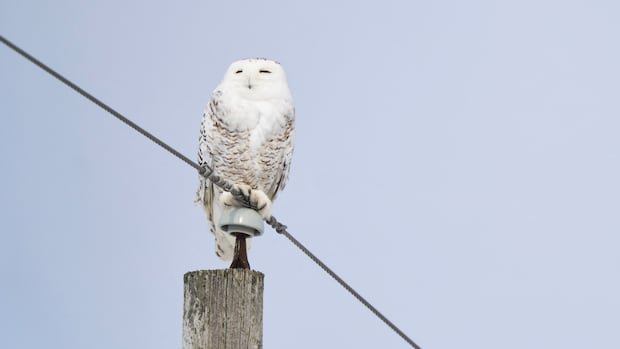
Global discussions in Brazil are focusing on extending protections to some of the world’s most iconic species. Sharks, giant otters, hyenas, and snowy owls are among the proposed additions to the Convention on the Conservation of Migratory Species of Wild Animals (CMS), a United Nations environmental treaty. These species share a common trait of not being confined to a single habitat, necessitating collaborative efforts across multiple countries to address threats like deforestation, climate change, and industrial fishing.
During the opening news conference in Campo Grande, Brazil, Elizabeth Maruma Mrema, the deputy executive director of the UN Environment Programme, emphasized the interconnectedness of these species, highlighting their roles in linking continents, oceans, ecosystems, and cultures. Experts interviewed by CBC News provided insights into the movement patterns, threats, and potential conservation solutions for these species.
One such species under scrutiny is the snowy owl, recognized for its charismatic appearance with piercing yellow eyes and camouflaging white feathers. While snowy owl populations in Canada and the northern United States are still thriving, regions like Sweden have witnessed their disappearance due to the scarcity of food sources like lemmings. The snowy owl, though not on the brink of extinction, faces challenges that demand attention, with Norway proposing its inclusion in Appendix II of the CMS for enhanced cooperation and protection measures.
Similarly, hammerhead sharks, known for their unique head shapes and gregarious behavior in schools, are facing threats from overfishing driven by the high demand for their fins and cartilage in global markets. Ecuador has proposed listing two critically endangered hammerhead shark species in the stricter CMS Appendix I to enable comprehensive protection measures and population recovery strategies. Dr. Pelayo Salinas de León highlighted the importance of addressing overfishing through initiatives like marine protected areas and sustainable fisheries management.
Giant otters, as apex predators in South American river systems, serve as indicators of aquatic ecosystem health. However, habitat destruction and disruptions caused by factors like deforestation and hydroelectric projects pose significant risks to their survival. Proposed for inclusion in both appendices of the CMS, giant otters require collaborative efforts among countries to safeguard their habitats and ensure viable populations.
The ongoing CMS meeting, with 42 new migratory species proposals on the agenda, presents an opportunity for member countries to vote on extending protections to these vulnerable species. The conference, running until March 29, aims to address the interconnected conservation challenges faced by these iconic wildlife species.

