
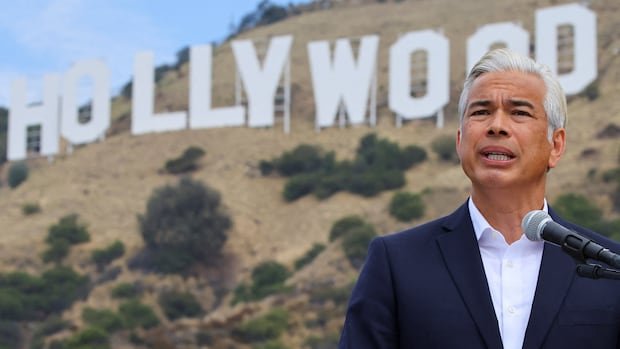
Twelve states have filed a lawsuit to halt the acquisition of Warner Bros. Discovery by Paramount, asserting that the $81 billion US deal would stifle competition in Hollywood and limit options for consumers nationwide. California Attorney General Rob Bonta, leading the legal action, emphasized in a press conference that the merger would lead to increased prices, reduced content offerings, and lower quality entertainment for viewers.
The proposed merger between Paramount and Warner would unite two of the last five historic studios in Hollywood, consolidating Warner’s assets, including HBO Max, renowned libraries like “Harry Potter,” and CNN, with Paramount’s holdings, such as CBS and Paramount+ streaming service. The legal complaint from the states also highlighted potential negative impacts on movie theaters and basic cable providers.
Paramount responded to the lawsuit by dismissing it as a misrepresentation of established antitrust laws, contending that the merger would create a stronger competitor against dominant streaming and technology platforms, benefiting the theatrical exhibition market and employment in the entertainment sector. Warner chose not to comment on the legal challenge. Apart from California, states joining the lawsuit include Arizona, Colorado, Connecticut, Massachusetts, Minnesota, Nevada, New Jersey, New Mexico, New York, Oregon, and Washington.
The lawsuit comes at a critical juncture for the Paramount-Warner deal, which received shareholder approval in April after a public bidding war with Netflix and was recently endorsed by the Trump administration. The companies aimed to finalize the merger in the third quarter of the year, with Paramount offering compensation to shareholders if the process is delayed past September 30.
Critics of the merger argue that the consolidation of Paramount and Warner would further monopolize the industry, potentially controlling a significant portion of both the theatrical film distribution and basic cable programming markets. They warn that such consolidation could diminish job opportunities, lower wages, reduce program diversity, and raise prices for consumers.
The legal battle has drawn support from industry professionals and organizations, including the Writers Guild of America, who fear the merger’s negative implications. Paramount defended the merger, stating that delaying it would harm entertainment workers and shield larger streaming competitors from fair competition.
Political concerns have also emerged, with questions raised about potential political influence in the deal. Critics have pointed to the Justice Department’s decision not to challenge the merger, citing Paramount CEO David Ellison’s ties to the Trump family. The DOJ has maintained its support for the merger, asserting that it would enhance competition and benefit consumers and workers in the media and entertainment sector.
The potential acquisition of CNN under Paramount’s ownership has drawn particular attention, with some Trump administration officials expressing their desire for changes at the network. Amid these developments, the outcome of the legal dispute and the future of the Paramount-Warner merger remain uncertain.

