
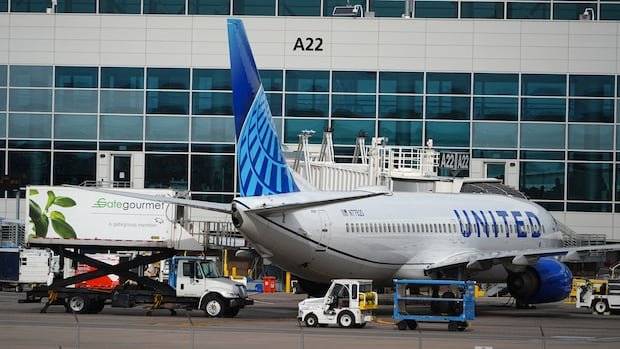
Hundreds of flights have been canceled in the United States this week, with more anticipated in the upcoming days as airlines adjust their services in compliance with a mandated reduction due to the ongoing government shutdown. The Federal Aviation Administration (FAA) is implementing a plan to cut air traffic by 10 percent to address staffing shortages caused by the shutdown that started on October 1.
The flight cuts aim to alleviate pressure on air traffic controllers who are working without pay amidst the shutdown, leading to an increase in staff calling in sick. The FAA is concerned about safety risks due to delays and unpredictable staffing shortages, which are contributing to fatigue among controllers. Last month, a control tower at Hollywood Burbank Airport was left unattended, causing disruptions in flight operations.
Transportation Secretary Sean Duffy expressed gratitude towards air traffic controllers but urged Democrats to end the shutdown to restore normal air travel operations. The FAA announced that flight reductions would impact 40 major travel hubs across the country, starting at four percent and escalating to 10 percent by November 14. If the shutdown persists, airlines could be required to cut up to 20 percent of flights.
The ongoing government shutdown, triggered by a funding deadlock in early October, has led to significant service disruptions, marking the longest shutdown in history. The impasse revolves around Democrats’ demands to maintain expiring health insurance subsidies, which Republicans are hesitant to fund without changes. The resulting impact on health insurance availability is a key sticking point in negotiations to reopen the government.
While the flight cuts primarily affect domestic U.S. flights, Canadian travelers may experience disruptions, given the extensive cross-border flight operations between the two countries. Airlines like Air Canada, Porter Airlines, and WestJet have provided updates on their operations and offered flexibility to passengers facing flight disruptions.
The duration of these flight disruptions hinges on when the government shutdown concludes. The FAA will monitor flight data and adjust its orders accordingly. The return to normal operations is contingent on restored funding and reduced stress in the air traffic control system, but the timeline for ending the shutdown remains uncertain amid ongoing political deadlock.

