
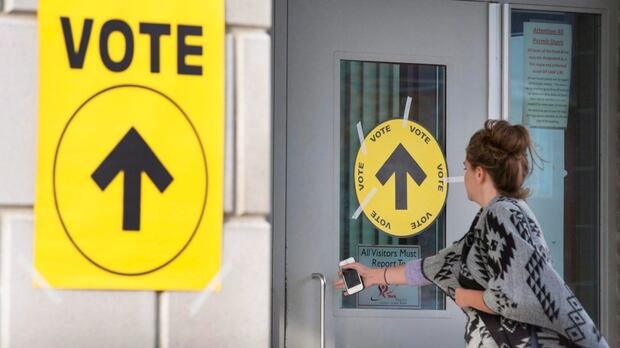
In the upcoming Yukon territorial election, voters will participate in a plebiscite to decide on potential electoral reform. The main question at hand is whether to switch to a system where candidates are ranked by preference, rather than the current first-past-the-post approach. However, historical trends indicate that the “Yes” side faces significant challenges.
One major obstacle is that the plebiscite results are non-binding on the government, regardless of the outcome. Moreover, past experiences with electoral reform in other Canadian regions have not been successful. Despite various attempts, no province has altered its voting system post-referendum. Notably, the 2005 British Columbia referendum on electoral reform fell short of the required 60% threshold, with 57% in favor of change.
Similarly, Prince Edward Island has seen multiple attempts at electoral reform, with the 2019 referendum coming closest to success at 48% support. The proposed system in PEI, mixed member proportional representation, involves voters casting two ballots for local and province-wide representatives based on popular vote share.
In Yukon, the focus is on a ranked vote system, similar to single transferable vote or instant runoff voting, commonly used in party leadership elections in Canada. This system aims to reduce strategic voting, allowing voters to express preferences more accurately. Despite some reservations, the plebiscite is seen as a positive step by Fair Vote Yukon, advocating for proportional representation, though not included as an option for the upcoming ballot.
Sue Greetham from Fair Vote Yukon expressed satisfaction with the plebiscite opportunity while acknowledging the limitations of the available options. The plebiscite is set for November 3, providing Yukoners with a crucial decision-making opportunity on electoral reform.

