
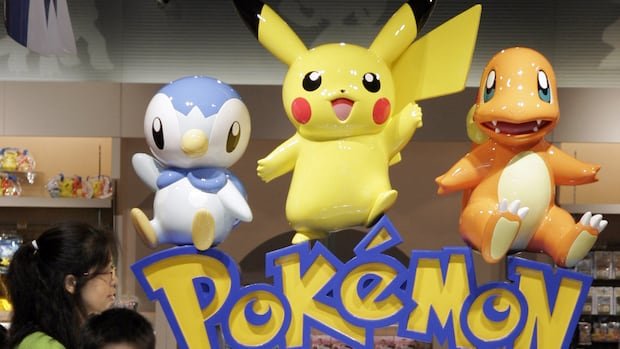
The evolution of Pokemon from a childhood fascination with bugs to a global soft power phenomenon is a testament to the creative vision of Satoshi Tajiri. Combining his love for bug collecting and arcade gaming, Tajiri birthed one of the world’s largest franchises.
Now an integral part of pop culture, Pokemon, created by Tajiri, marks its 30th anniversary with a star-studded Super Bowl ad featuring celebrities like Lady Gaga and Trevor Noah sharing their favorite Pokemon. Since its inception in 1996, Pokemon has surpassed iconic brands like Star Wars, Marvel, and Harry Potter to become the highest-grossing media franchise, amassing over $100 billion in revenue.
The success of Pokemon can be attributed to its diverse offerings, including video games, trading cards, and an anime series, establishing itself as an economic powerhouse with significant soft power influence. The franchise’s impact extends beyond entertainment, shaping global perceptions of Japanese culture.
The Pokemon journey began in 1990 when Tajiri developed a game for the Nintendo Game Boy, leading to the release of Pokemon Red and Green in 1996. With Nintendo’s support, Pokemon quickly expanded into comics, cartoons, and trading cards, captivating audiences globally.
Over the years, Pokemon has continued to innovate, adapting to new technologies like the Pokemon Go app, which revolutionized augmented reality gaming. The franchise’s enduring appeal lies in its ability to cater to a broad audience, offering a blend of nostalgia, fun, and accessibility.
As Pokemon celebrates three decades of success, it faces the challenge of sustaining relevance as its original fan base matures. However, with its multifaceted appeal and global reach, Pokemon remains a cultural phenomenon that transcends borders, embodying a shared cultural experience that unites fans worldwide.

