
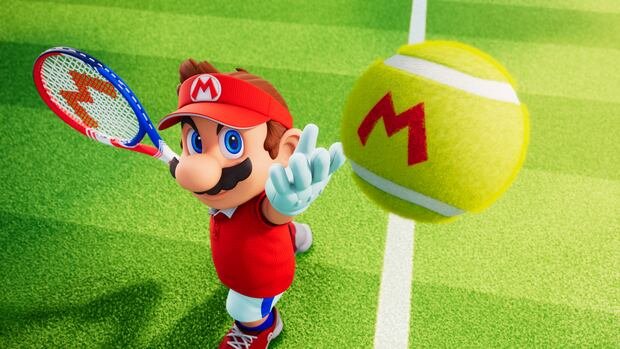
Enthusiasm for the latest installment in the long-standing Mario Tennis series, known as Mario Tennis Fever, may vary depending on players’ familiarity with the franchise’s previous titles. Developed by Japanese studio Camelot and featuring Nintendo’s iconic plumber, Mario Tennis Fever marks the ninth entry in the series, which dates back to 2000. While Mario has been a tennis aficionado since his cameo as an official in the 1984 Game Boy title “Tennis,” the core gameplay of Mario Tennis Fever remains solid, offering engaging tennis matches with a variety of options and imaginative elements.
Although the game’s foundation is robust, some longtime players may find the single-player Adventure mode underwhelming. Nevertheless, the release of Mario Tennis Fever on the Switch 2 platform fills a gap in the exclusive games lineup, which has had mixed success since its initial launch.
Accessible to a wide range of players, Mario Tennis Fever features straightforward gameplay mechanics centered around selecting characters from the Mario universe for singles or doubles matches. The on-court action, characterized by vibrant colors and realistic court surfaces, delivers an enjoyable experience with tight and responsive controls. Each character in the game falls into distinct play styles, such as speedy, powerful, or technical, offering diverse gameplay strategies.
The introduction of Fever rackets adds a new dimension to gameplay by enabling special fever shots that can trigger various effects, from setting the court on fire to creating clones or enhancing player speed. These powerful shots add excitement to matches, creating chaotic yet thrilling moments as players strive to outmaneuver their opponents.
Mixing up the gameplay further, Mario Tennis Fever includes unique modes like a pinball table setting and a reality-bending Wonder mode, adding novelty and unpredictability to matches. Additionally, Swing mode allows players to use Joy-Con controllers for a more immersive experience akin to classic Wii Sports gameplay.
In the game’s single-player Adventure mode, players embark on a brief and somewhat bizarre journey featuring nonsensical story elements and mini-games reminiscent of Mario Party. While the Adventure mode provides some entertainment value, its short duration and repetitive gameplay may limit its appeal.
Mario Tennis Fever showcases the enduring appeal of the franchise, offering engaging multiplayer experiences best enjoyed with friends. Despite its strengths, the game’s high price point, aligned with the Switch 2’s premium game costs, may present a barrier for some players, especially considering the limited content in certain game modes.

