
Astronauts’ health has been a focal point since the inception of space exploration. Various effects like motion sickness, disorientation, muscle deterioration, and bone density loss have impacted all space travelers. NASA has developed treatments for many of these issues through medication and rigorous exercise in space. However, more severe health concerns could pose challenges for extended missions to destinations like the moon and Mars. Scientists are intensively researching the potential health risks for long-distance astronauts and strategies to address them.
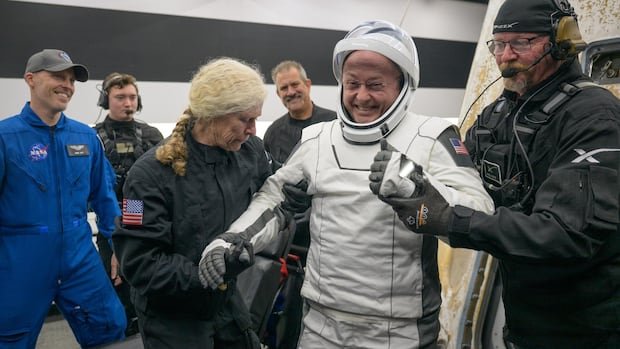
Although serious health incidents in space are uncommon, the first medical evacuation in the International Space Station’s 25-year history occurred in January 2026. Astronaut Mike Fincke required ground-based medical attention for a non-life-threatening condition, marking a rare occurrence. While the exact cause of the emergency remains undisclosed for privacy reasons, Fincke confirmed his recovery and well-being.
Noteworthy incidents in space are closely scrutinized to enhance understanding of how microgravity impacts human health. For instance, a female astronaut on the space station in 2019 was found to have a blood clot in her neck, prompting swift action by ground and space teams to devise a treatment plan and avert immediate risks.
Research has shown that blood clots formed in microgravity are more resilient than those on Earth, emphasizing the need for tailored medical solutions in space. Diagnostic tools like portable ultrasound devices play a crucial role in monitoring astronauts’ health in orbit, where access to full-fledged medical facilities is limited. Weightlessness in space can lead to health complications such as blood clots and vision changes, as demonstrated by incidents involving astronauts like Bob Thirsk and the emergence of Space-Associated Neuro-Ocular Syndrome (SANS).
Space missions entail inherent risks, including musculoskeletal injuries and the challenges of performing surgery in a weightless environment. While the International Space Station is equipped with essential medical resources, certain conditions necessitating surgical intervention would require a prompt return to Earth. Future missions to the moon and Mars present logistical hurdles in providing immediate medical care due to extended travel durations and communication delays.
NASA is developing Earth-Independent Medical Operations (EIMO) to enhance medical capabilities for long-duration space missions, enabling astronauts to address health concerns autonomously. Early detection and prevention of health issues before space travel will be crucial for ensuring crew well-being during extended missions. Despite meticulous planning, the possibility of sudden medical emergencies or fatal injuries in space underscores the importance of preparedness, including protocols for handling fatalities if they occur.
The prospect of astronauts facing life-threatening medical situations in space remains a sobering reality, necessitating continuous advancements in space medical capabilities to safeguard human exploration beyond Earth’s confines.

